Understanding the history of Faial wine requires getting lost among old vineyards, many of which are currently abandoned or being transformed by the hand of new producers, passionately dedicated to this craft of recovering what was once, one of the main economic activities of the island.
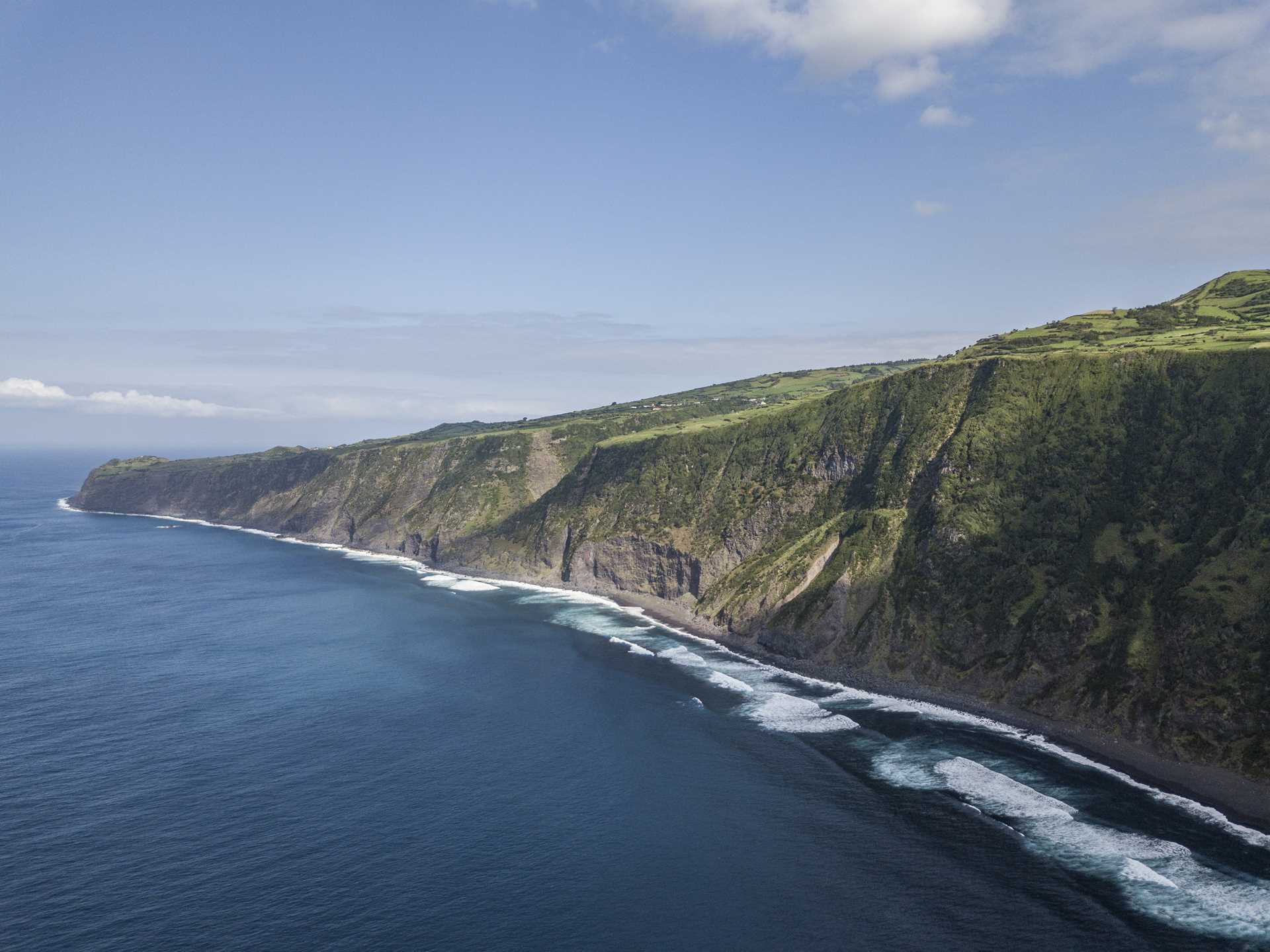
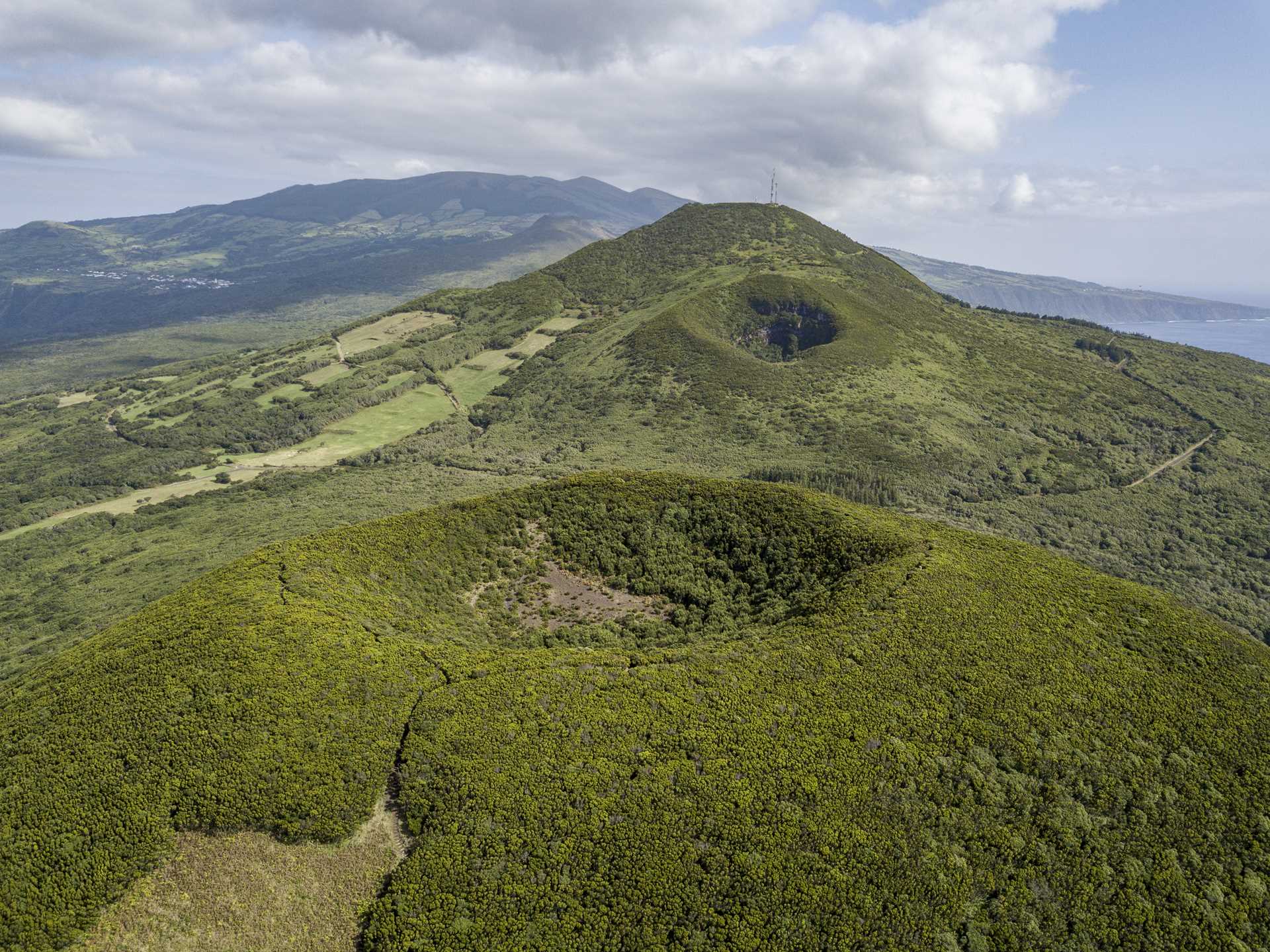
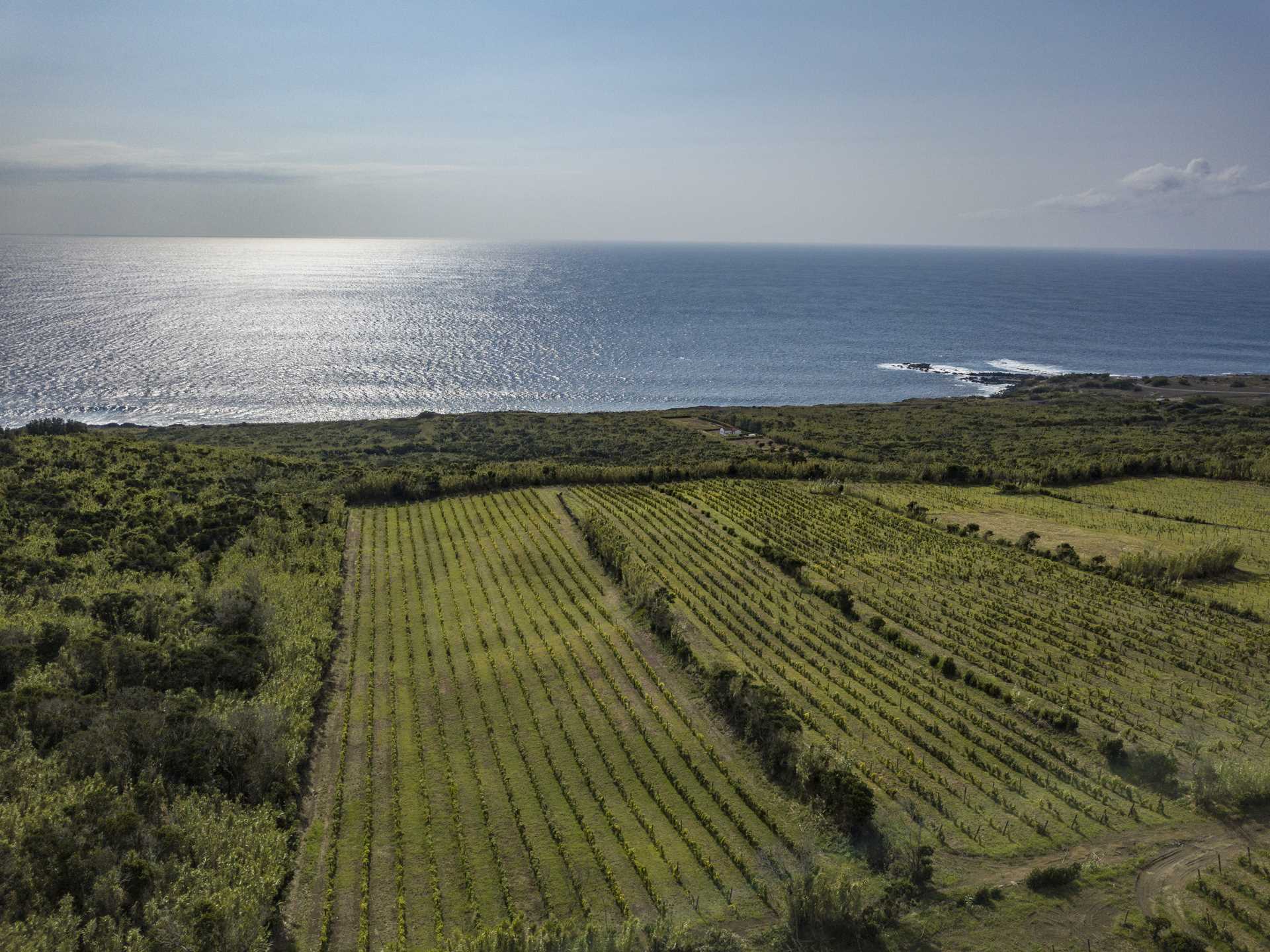
On this tour, we begin by visiting the parish of Praia do Norte, on the northern coast of Faial Island, via a circular hiking trail approximately 2.5 km long. This parish, deeply marked by its proximity to the Capelinhos Volcano, illustrates the eternal struggle between the sea and the volcanoes, and is the result of a lava flow from the historic eruption of Cabeço do Fogo (1672/73). Blessed with a special microclimate, Praia do Norte became ideal for growing vineyards, leading to the emergence of wineries and summer homes where, in the past, people dedicated themselves to the art of producing Faial wine.
As you walk toward Praia do Norte along Rua das Adegas, take a moment to appreciate this protected landscape, teeming with endemic species typical of the Laurissilva forest, such as the Azorean laurel (Laurus azorica), Holly (Ilex azorica), and Heather (Erica azorica), in perfect harmony with stone walls and small plots of land, once covered with vineyards. The route continues toward the center of the parish, passing by the Chapel of Nossa Senhora da Penha de França, built in 1878.
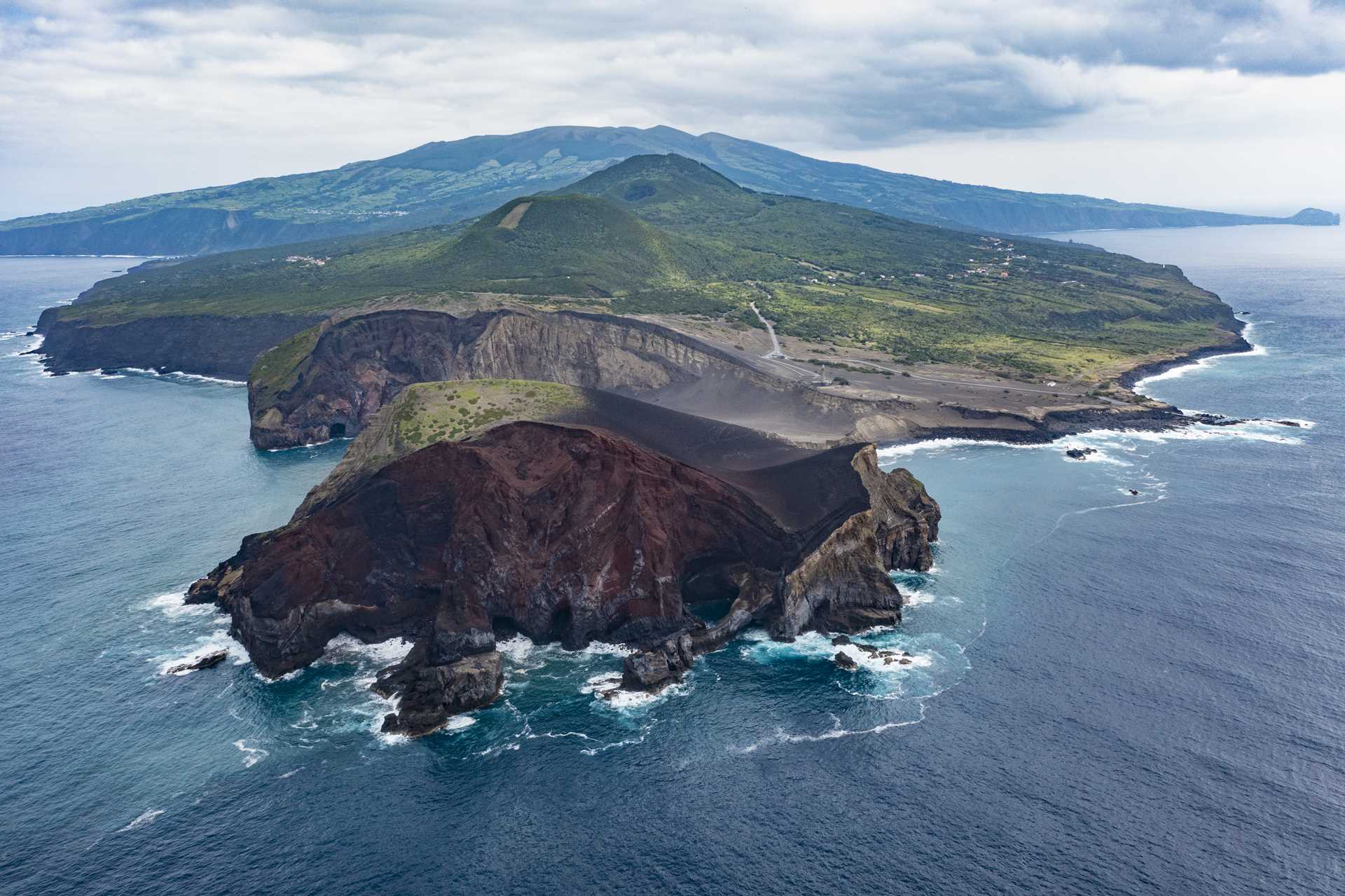
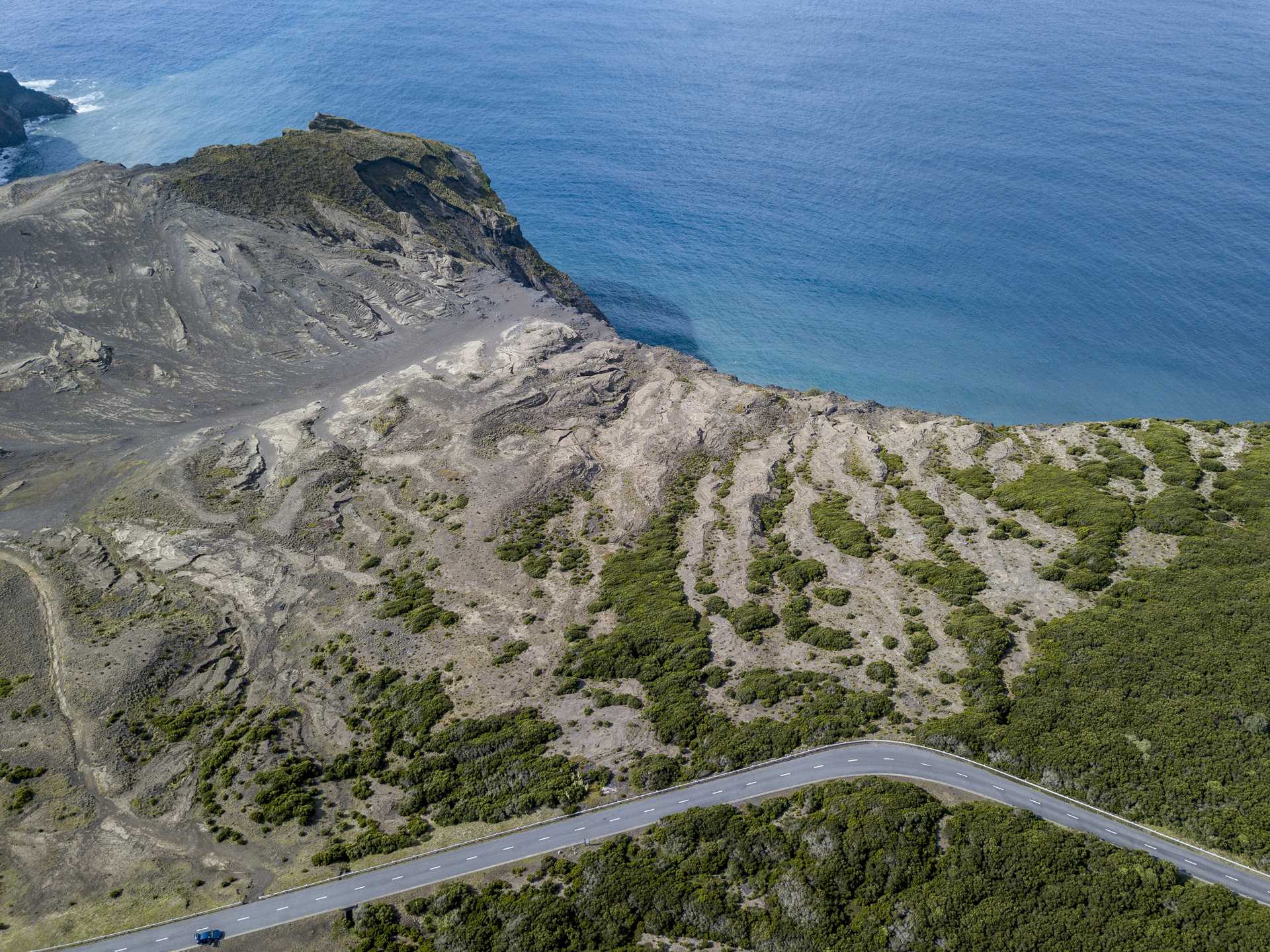
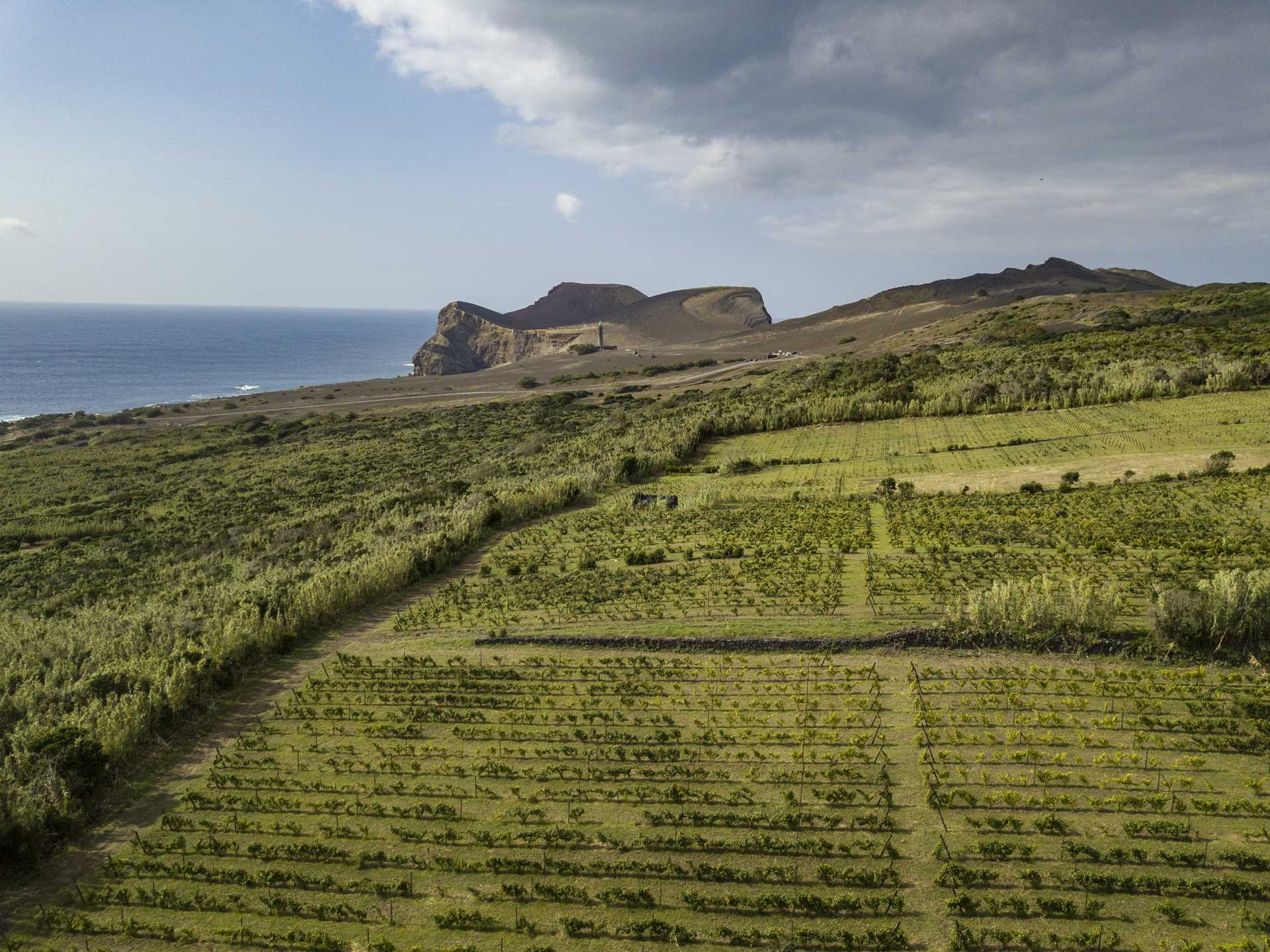
We head towards the Capelinhos area, one of the most interesting landscapes in Faial. Deeply marked by the volcanic eruption of 1957, which caused the destruction of a large part of the existing houses and plantations at the time, this unique and impressive landscape is sometimes compared to the lunar surface.
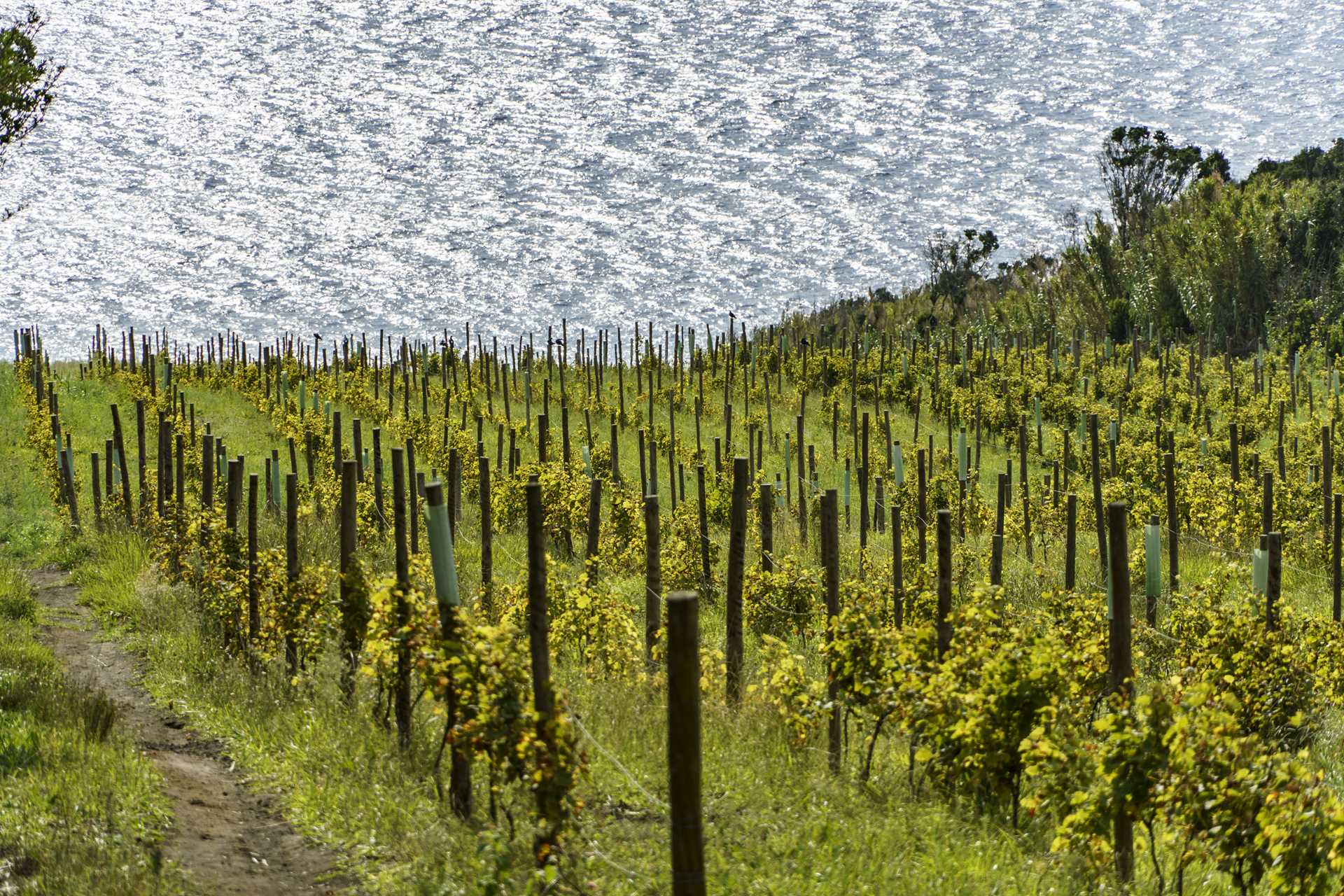
There’s nothing quite like ending the day with a visit to Adega do Vulcão to discover this unique project, which aims to revive the island’s long-forgotten winemaking tradition. As we walk the paths through the vineyards, always with our eyes on the sea, we are surprised by the ruins of small wineries that were buried by the ashes of the Capelinhos Volcano, confirming the importance this area of the island held in wine production before that natural disaster. Amid the green of the vineyards and the gray hues of the soil, and with the sound of the sea close by, we conclude with a tasting of wines from these unique, history-rich soils.