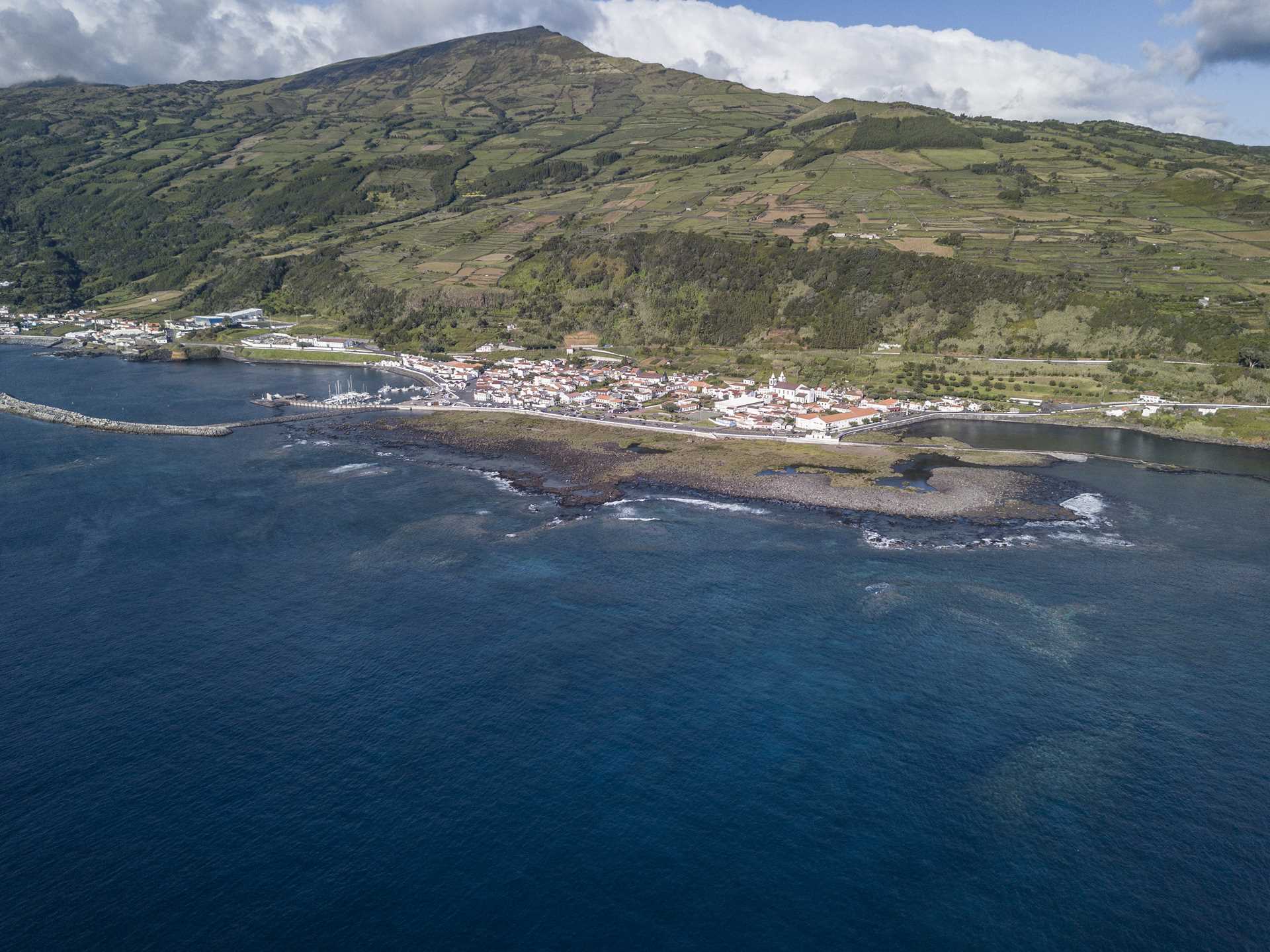
A visit to Pico is a unique experience of connection with the volcanology of the Azorean archipelago. It is the highest point in Portugal (2,351 m) and encompasses a set of geosites well worth visiting.
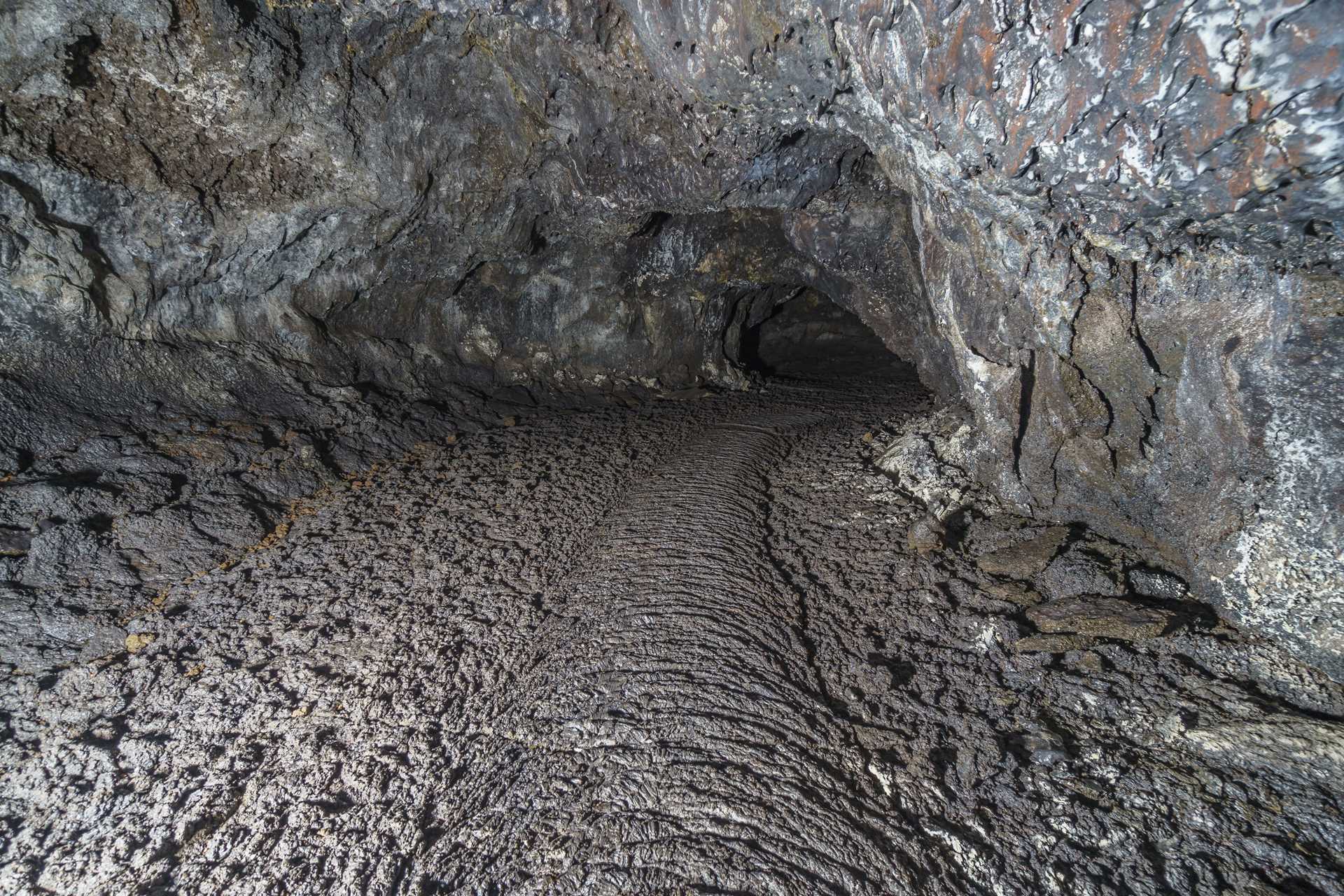
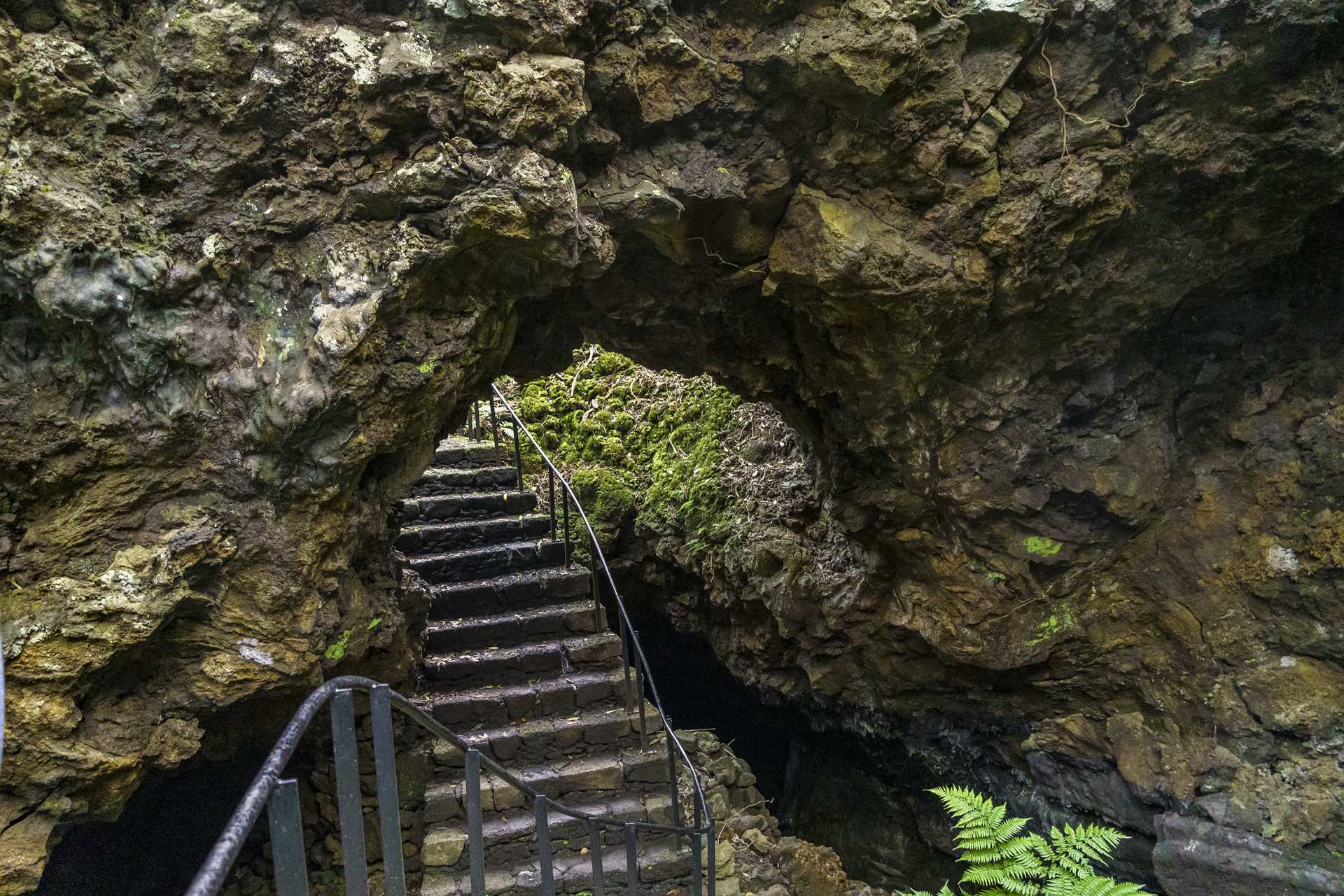
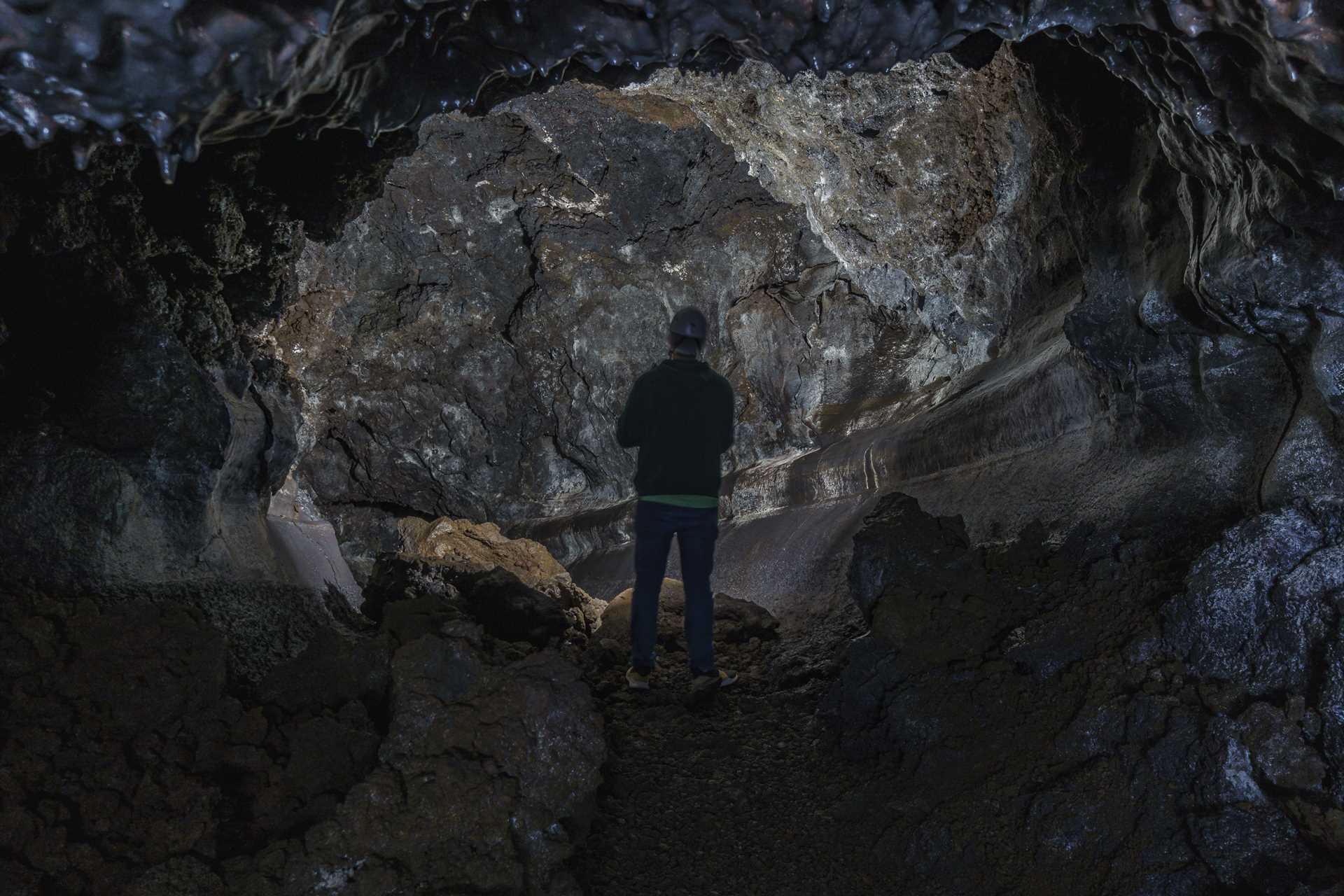
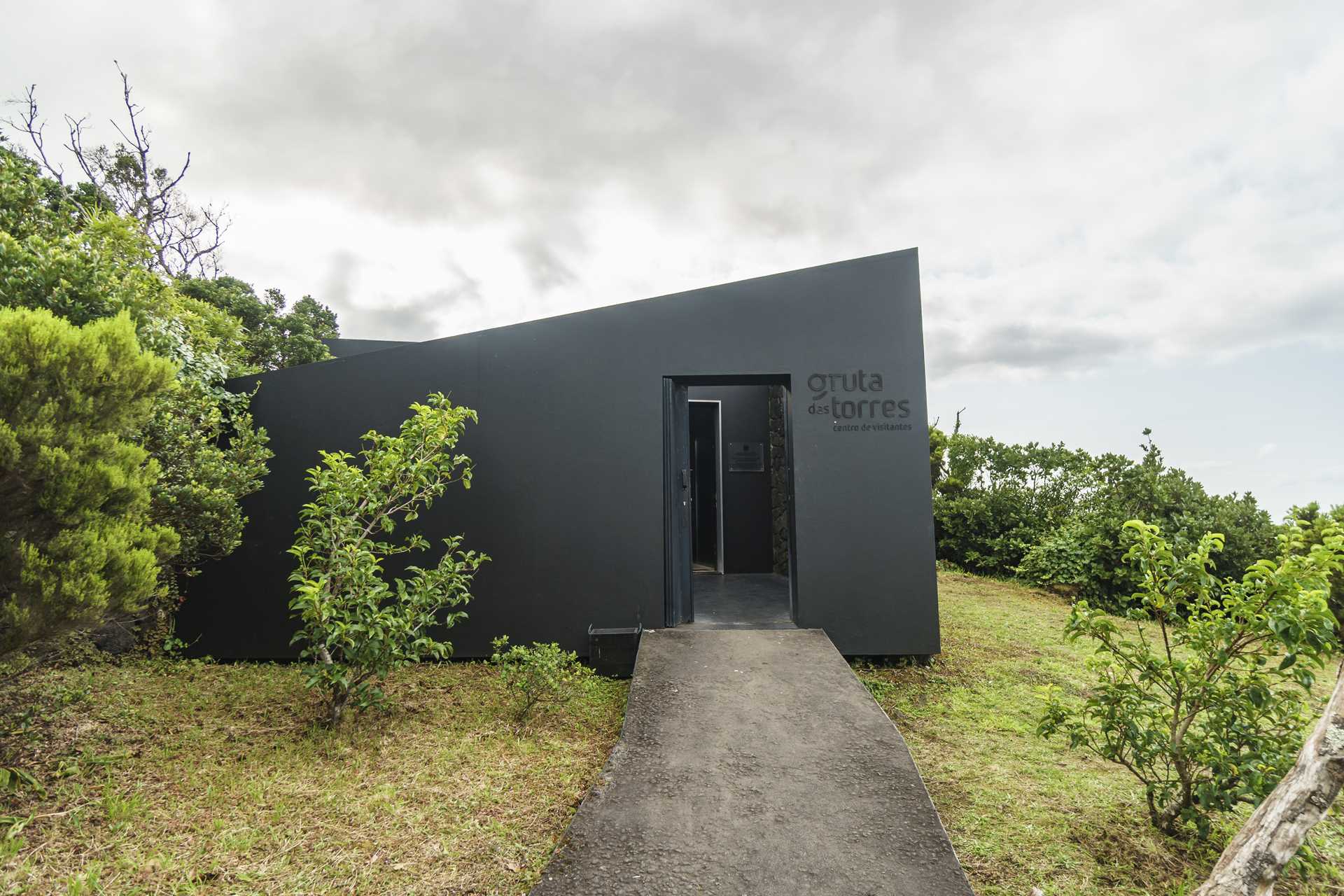
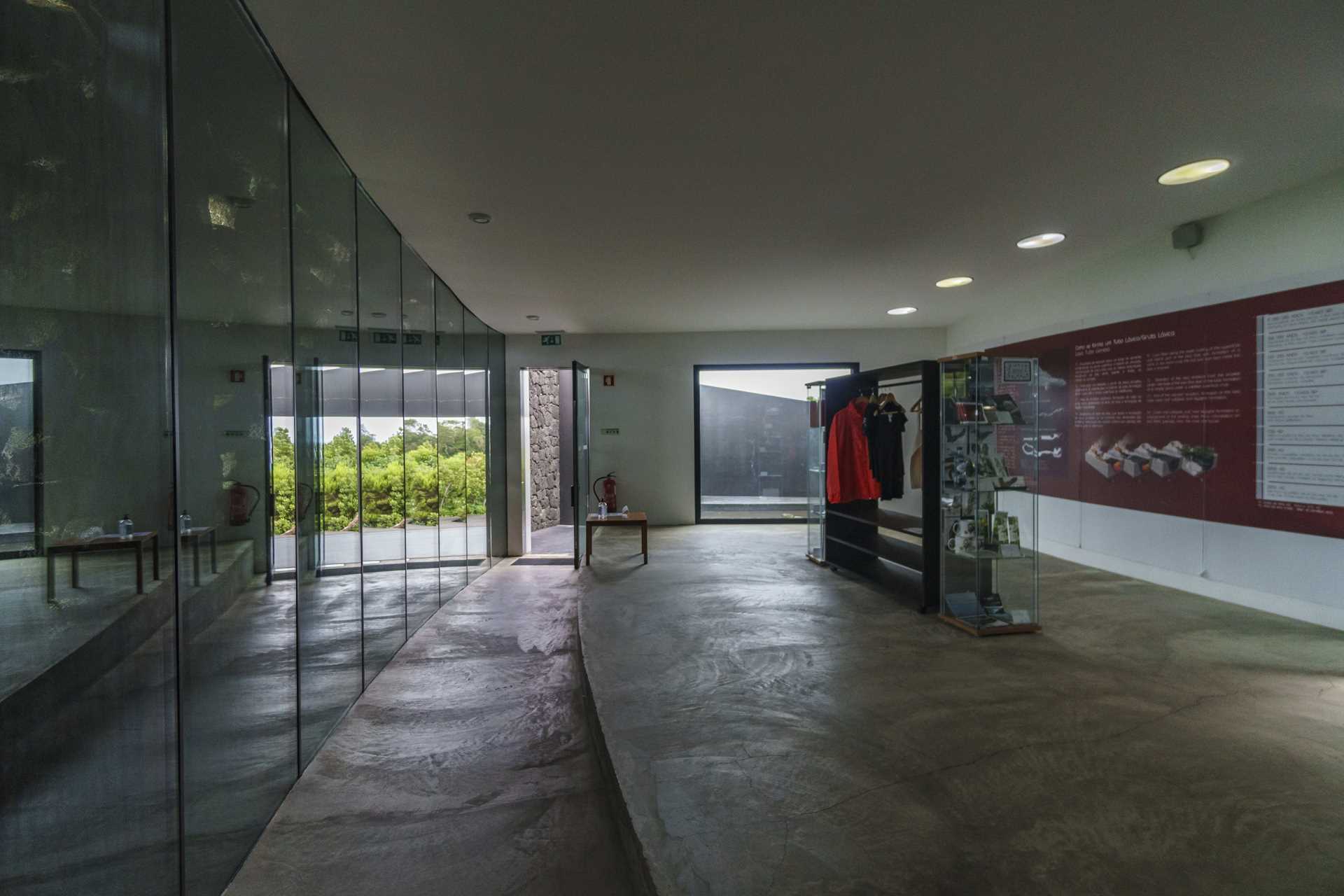
The itinerary proposed here begins with a visit to the Gruta das Torres, the largest known lava tube in Portugal, with a total length of 5,150 m. This cave was formed by lava flows from a volcanic eruption originating at Cabeço Bravo, within the Montanha volcanic complex. Classified as a Natural Monument of Pico Island Natural Park, a visit to the interior of Gruta das Torres is an unmissable experience.
We continue with a walk through the Reserva Florestal do Mistério de São João. These poor and stony soils resulted from an eruption that began on 2 February 1718, with intense seismic activity, loud rumbling noises, and the emission of six lava flows from an opening located between Terra do Pão and Companhia de Cima. This eruption is believed to have been responsible for the destruction of many houses and even the local church. The term “mistério” comes from the name that inhabitants gave to these volcanic phenomena, often devastating and incomprehensible to the local population. Today, this recreational forest area offers a wide range of facilities, and here we can also visit the Forest Interpretation Centre, dedicated to the theme of volcanism.
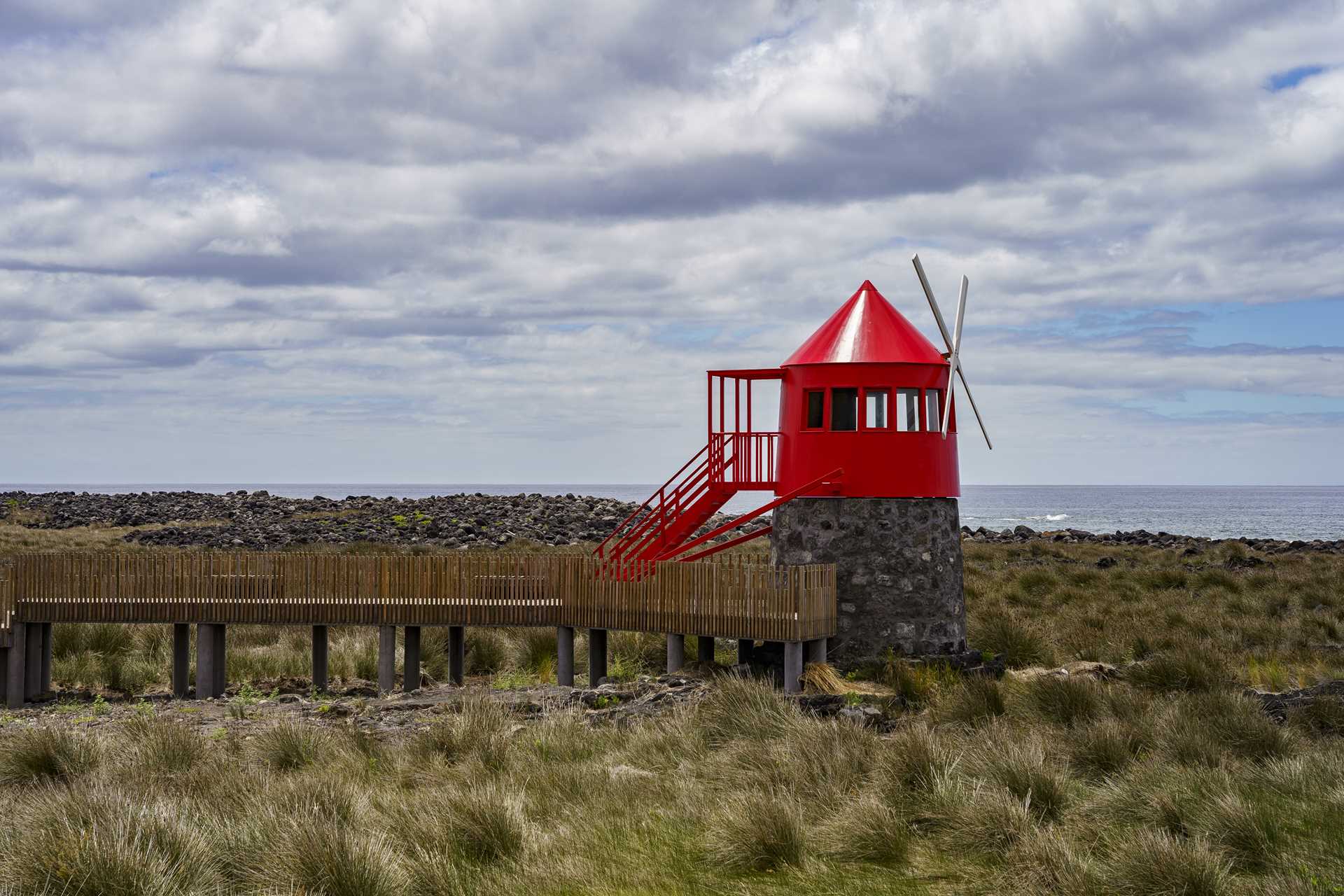
Next, we visit the Miradouro de Arrife, from where visitors can enjoy an incredible view over the lava fajã of Ribeiras, located on the southern coast of Pico. This fajã was mainly formed by lava flows emitted around 3,500 years ago, which contributed to the island’s growth and created a fossil cliff.
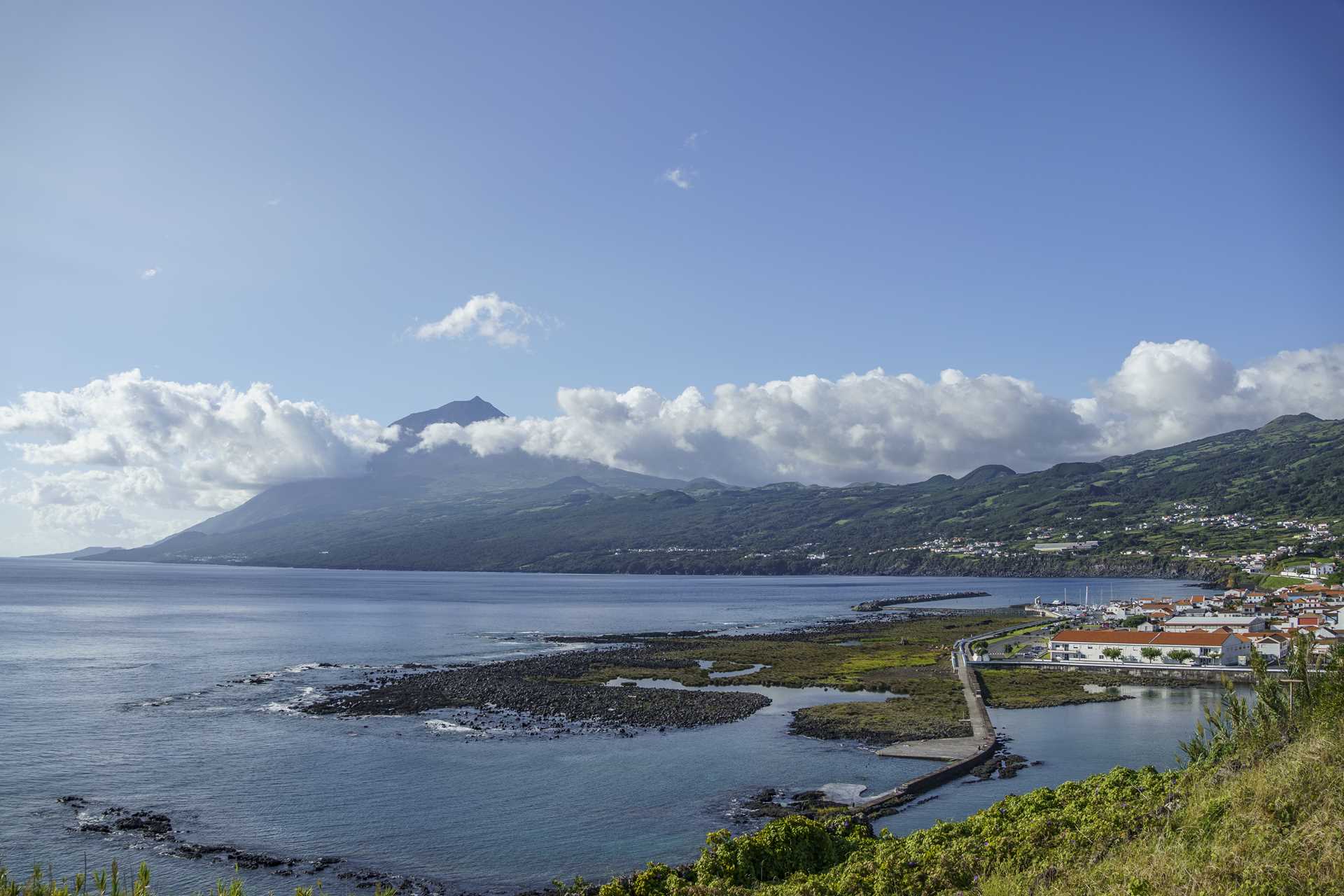
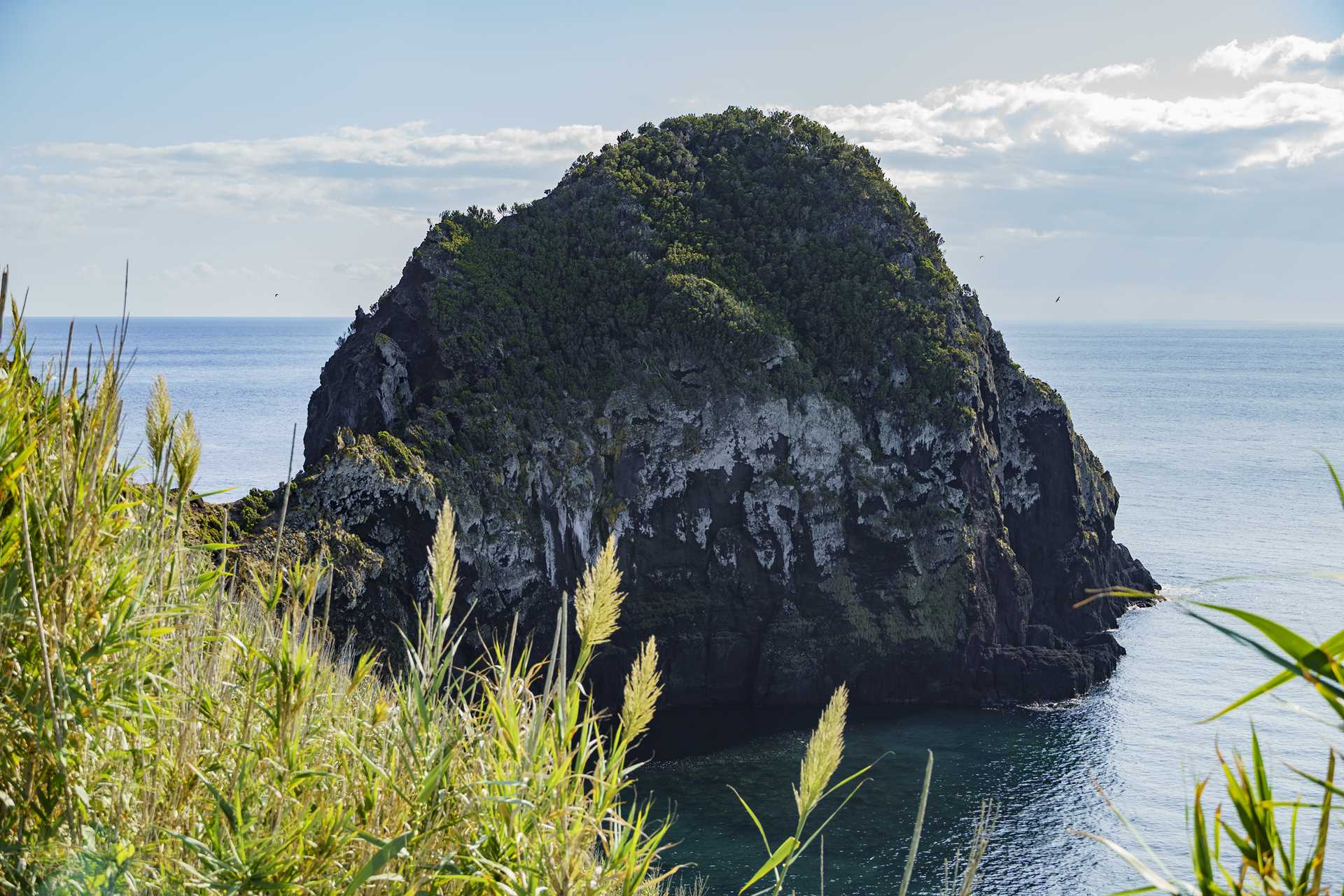
We end at the Miradouro das Lajes do Pico, from where we have an excellent view over the lava fajã of Lajes do Pico and the village of the same name. From this location, a number of geosites of great interest for understanding the island’s volcanic evolution can also be observed: Pico Mountain, the historic eruptions of 1718 and 1720, the Topo Volcano, Castelete, and the chimney of an ancient scoria cone, now heavily eroded and worn down by the action of the sea.