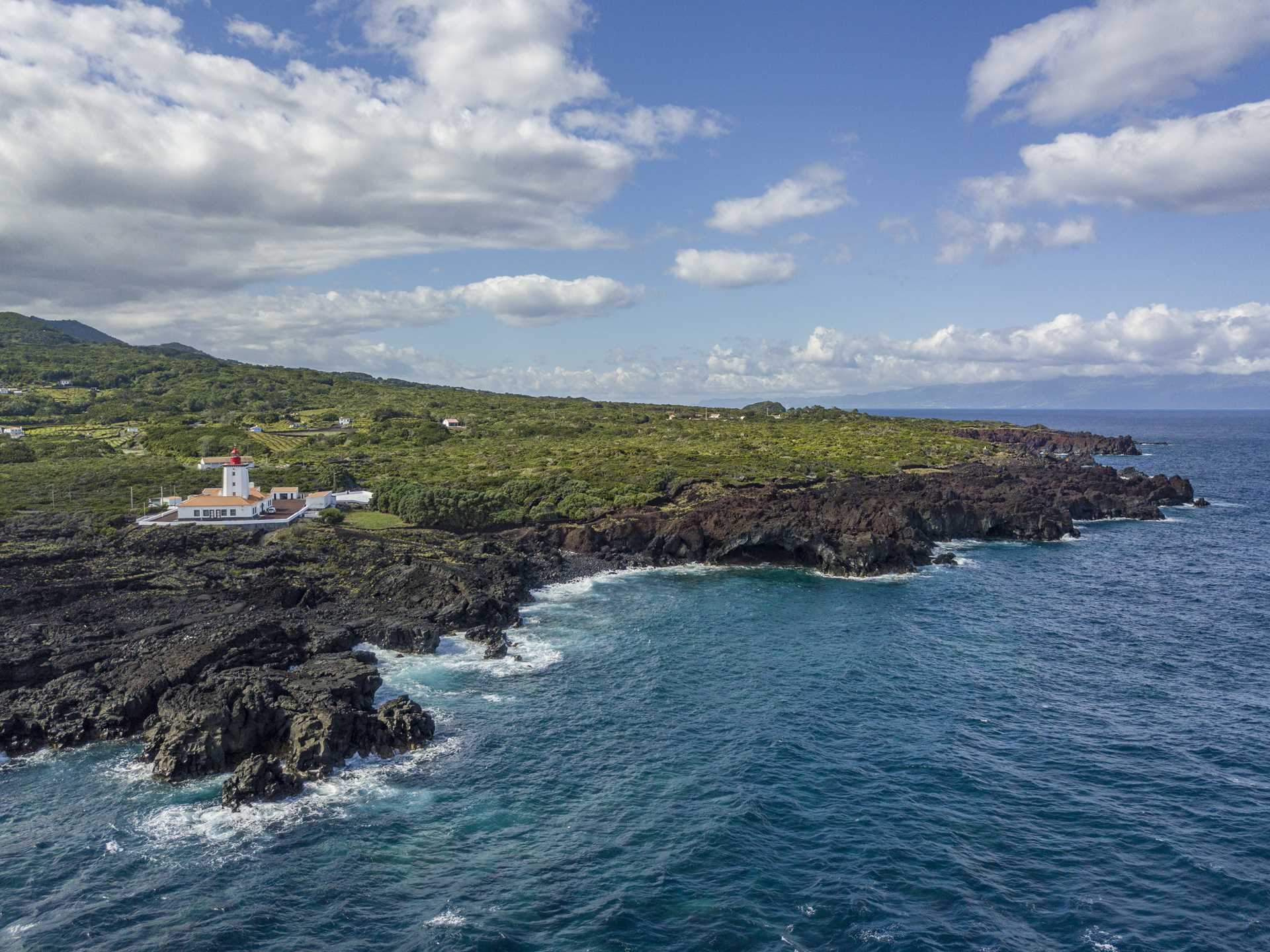
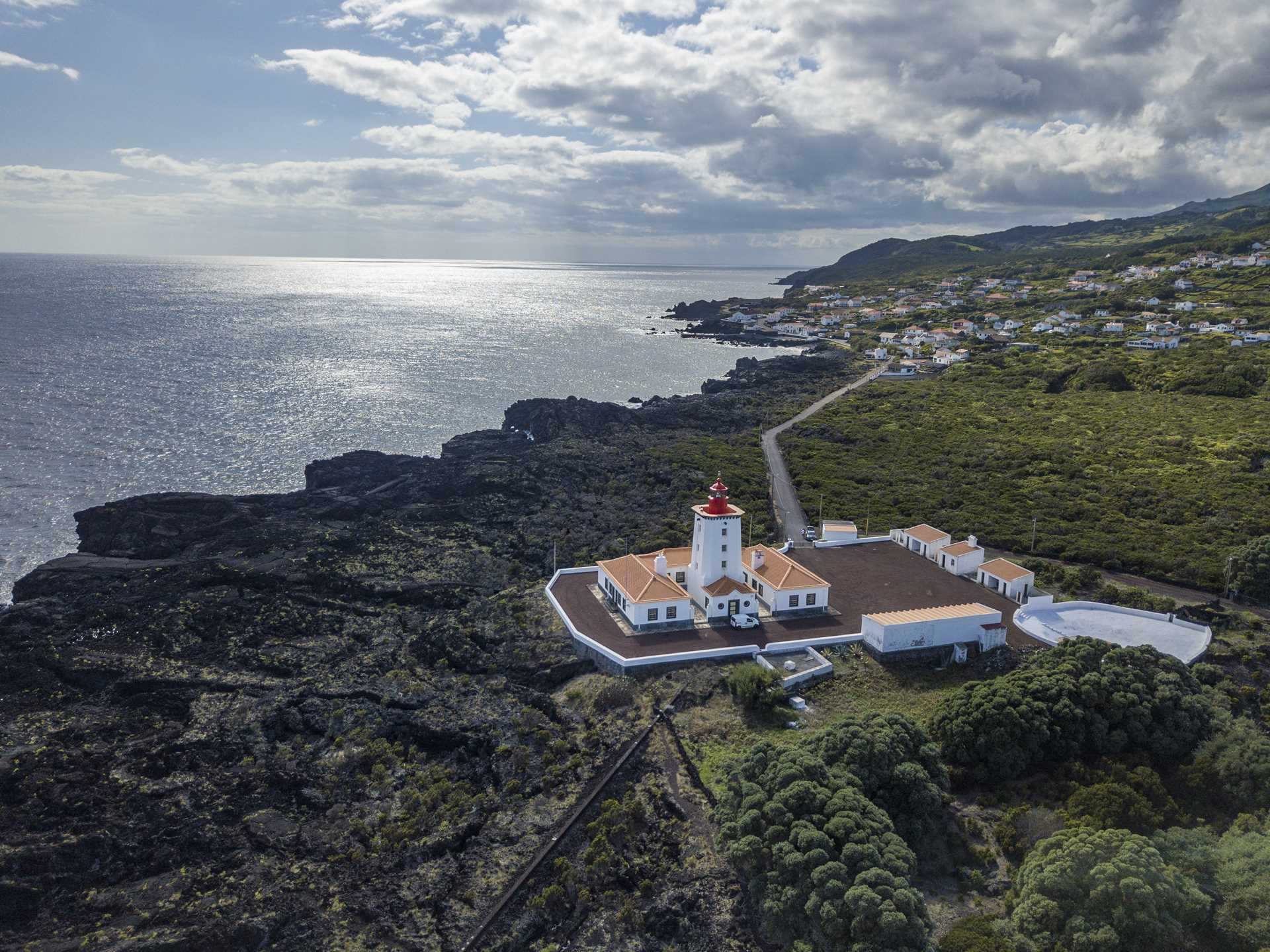
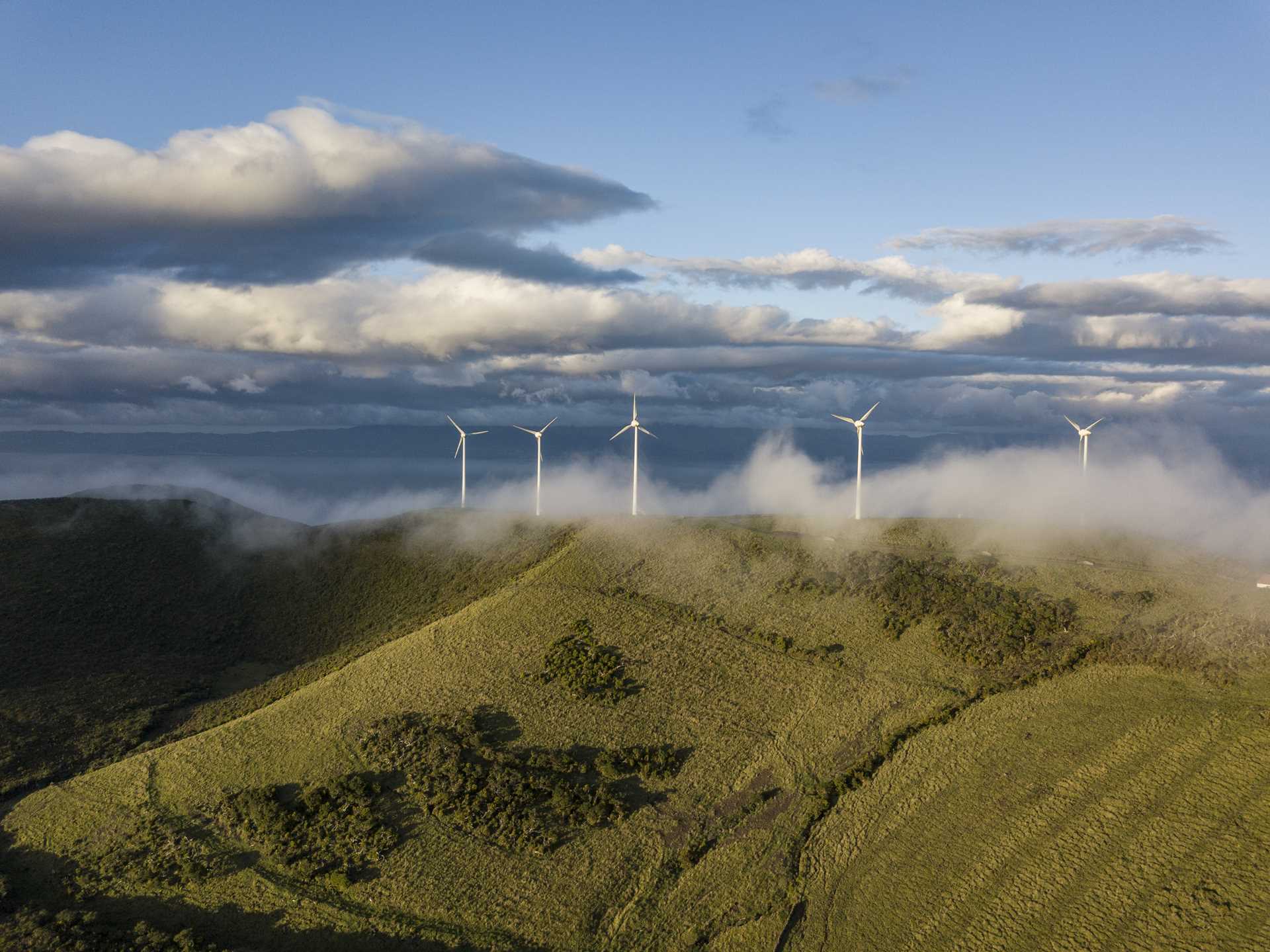
With an age of less than 300,000 years, Pico is the youngest island in the archipelago and an island of records: it is the highest point in Portugal (2,351 m) and the third-largest volcano in the North Atlantic. This island, marked by intense volcanic relief and a very distinctive basaltic and dark landscape, offers a unique experience of contact with the volcanology of the Azorean archipelago.
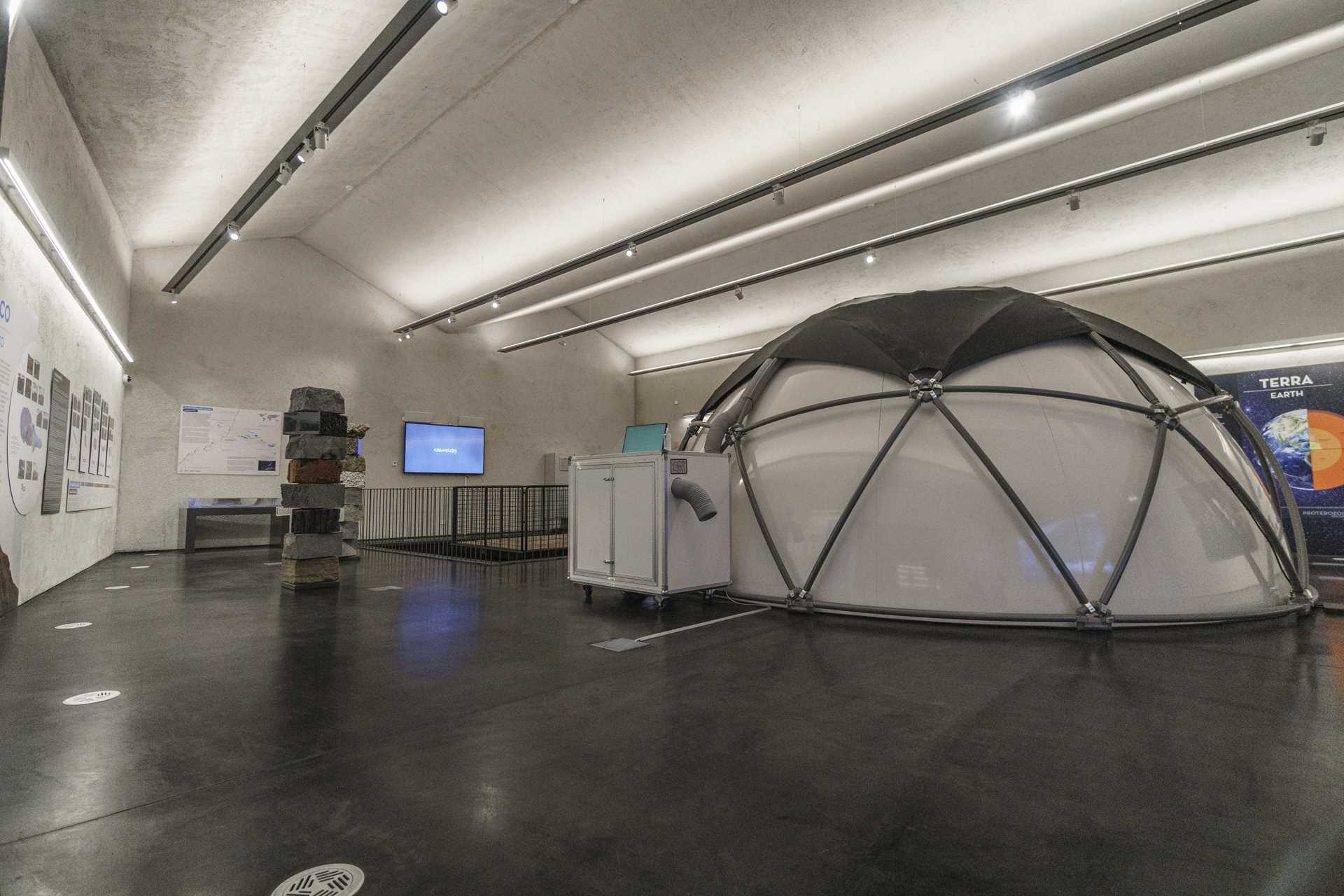
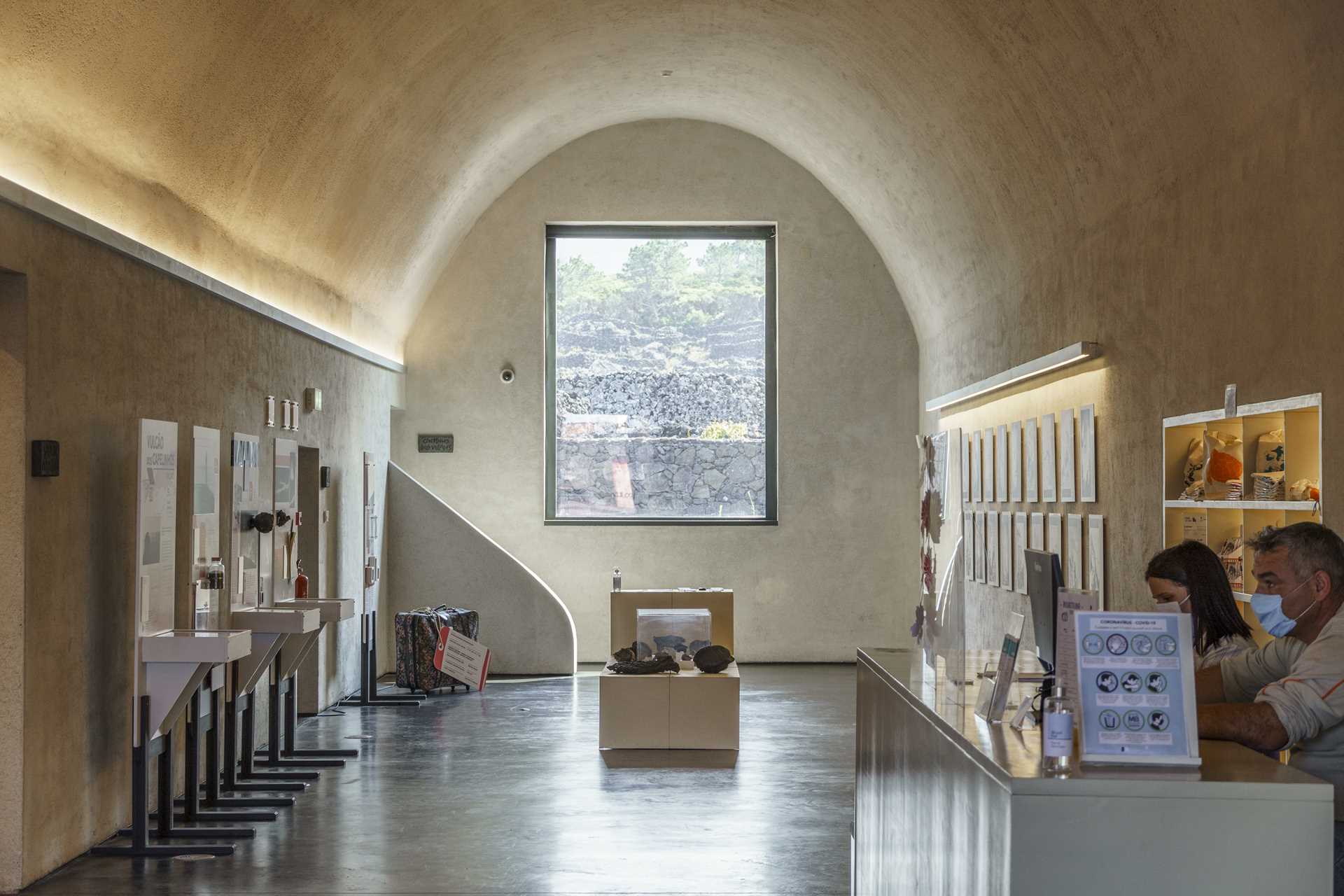
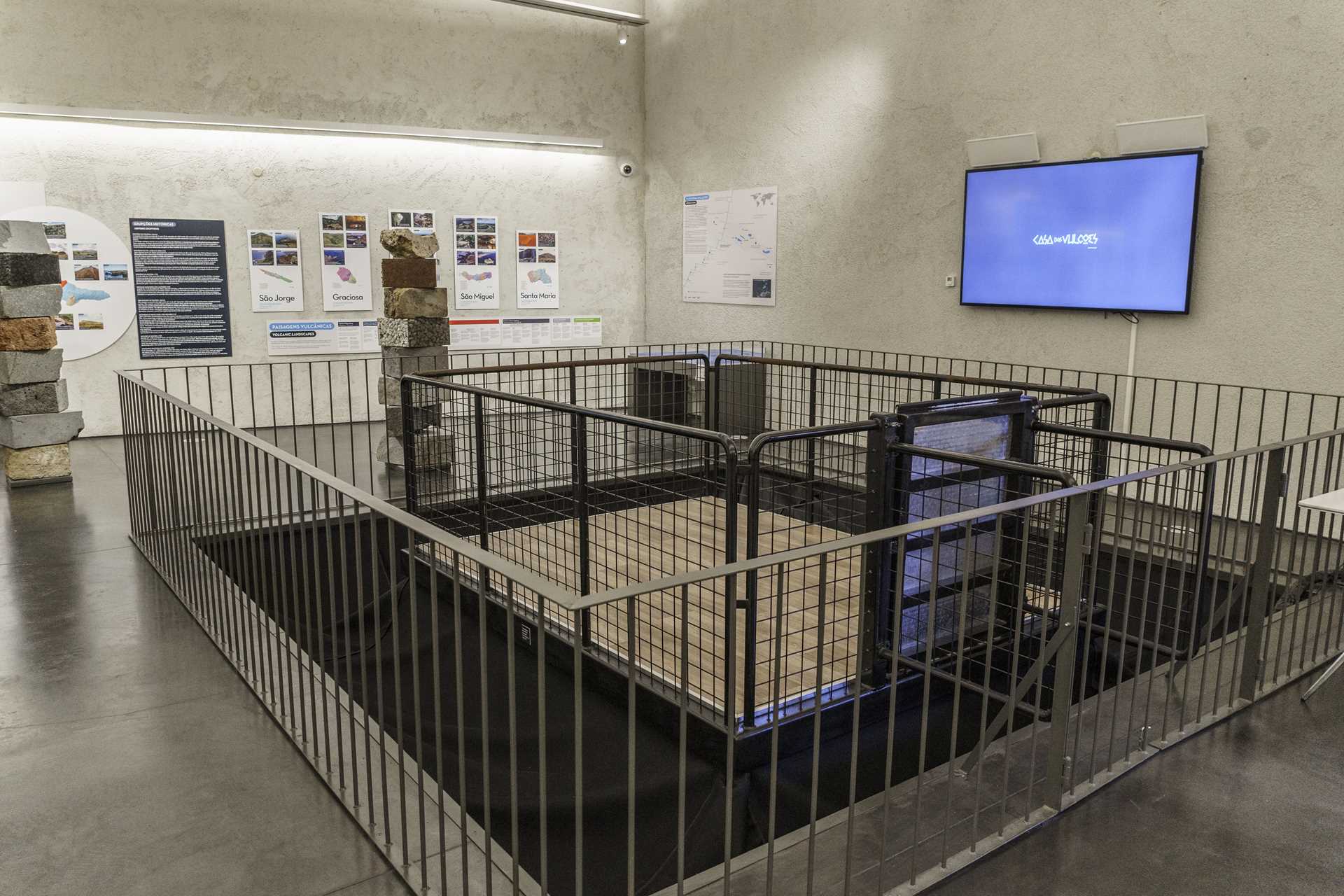
The visit begins at the Casa dos Vulcões, a distinctive museum space that provides visitors with context on the formation of the archipelago through a range of virtual and sensory experiences that are engaging and enriching for all ages.
We take the opportunity to explore the Lajido de Santa Luzia, enjoying a short walking trail through this typical landscape of Pico Island, discovering a wide range of structures and micro-reliefs associated with effusive volcanism. The Lajido de Santa Luzia corresponds to an extensive field of very fluid basaltic lava flows emitted by Pico Mountain, which today shape this protected landscape.
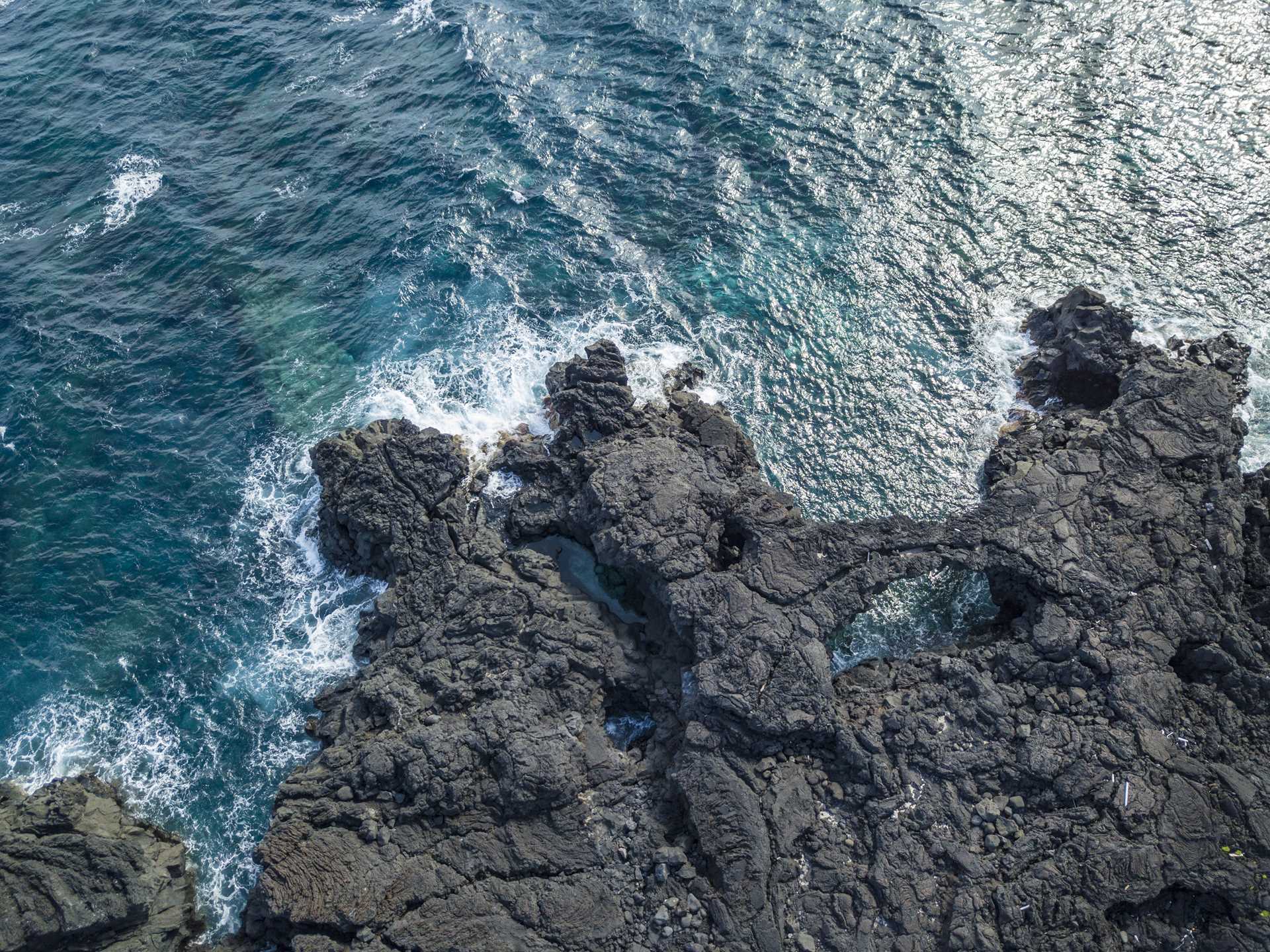
We continue to the fossil cliff of Santo António, an ancient cliff covered by several lava flows, many originating from Pico Mountain, which gradually contributed to the island’s growth. Spectacular lava cascades are visible, and in the coastal area of Furna, small islets can be seen, as well as opportunities for swimming in one of the several bathing areas, such as the famous pools of São Roque.
After lunch, we continue to Lagoa do Capitão, the largest lake on the island, surrounded by an idyllic landscape with abundant endemic vegetation. This is one of the most appreciated spots for enjoying a magnificent panoramic view of Pico Mountain. Here, it is easy to hear the songs of different birds that come to this area in search of food and shelter.
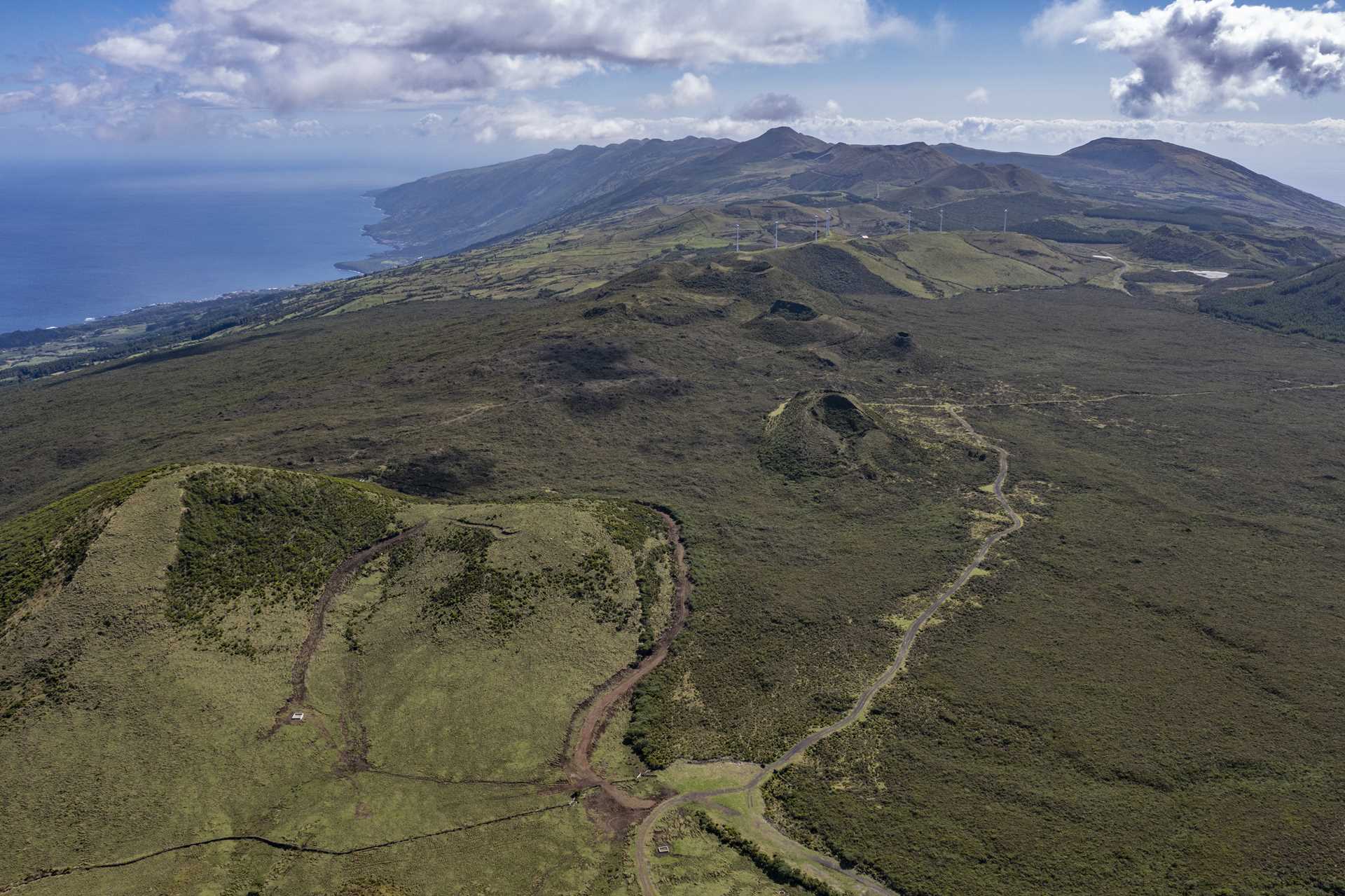
In the area of Cabeço dos Sardos, we can observe an interesting alignment of four pit craters resulting from the collapse of the volcano’s surface, the largest of which is about 250 m in diameter, with the smallest being occupied by the beautiful Lagoa Negra.
We end the day at Praia das Poças da Manhenha, a coastal bathing area on the eastern part of the island, made up of several natural volcanic pools. Diving into these clear waters, surrounded by black rocks, is an experience not to be missed.