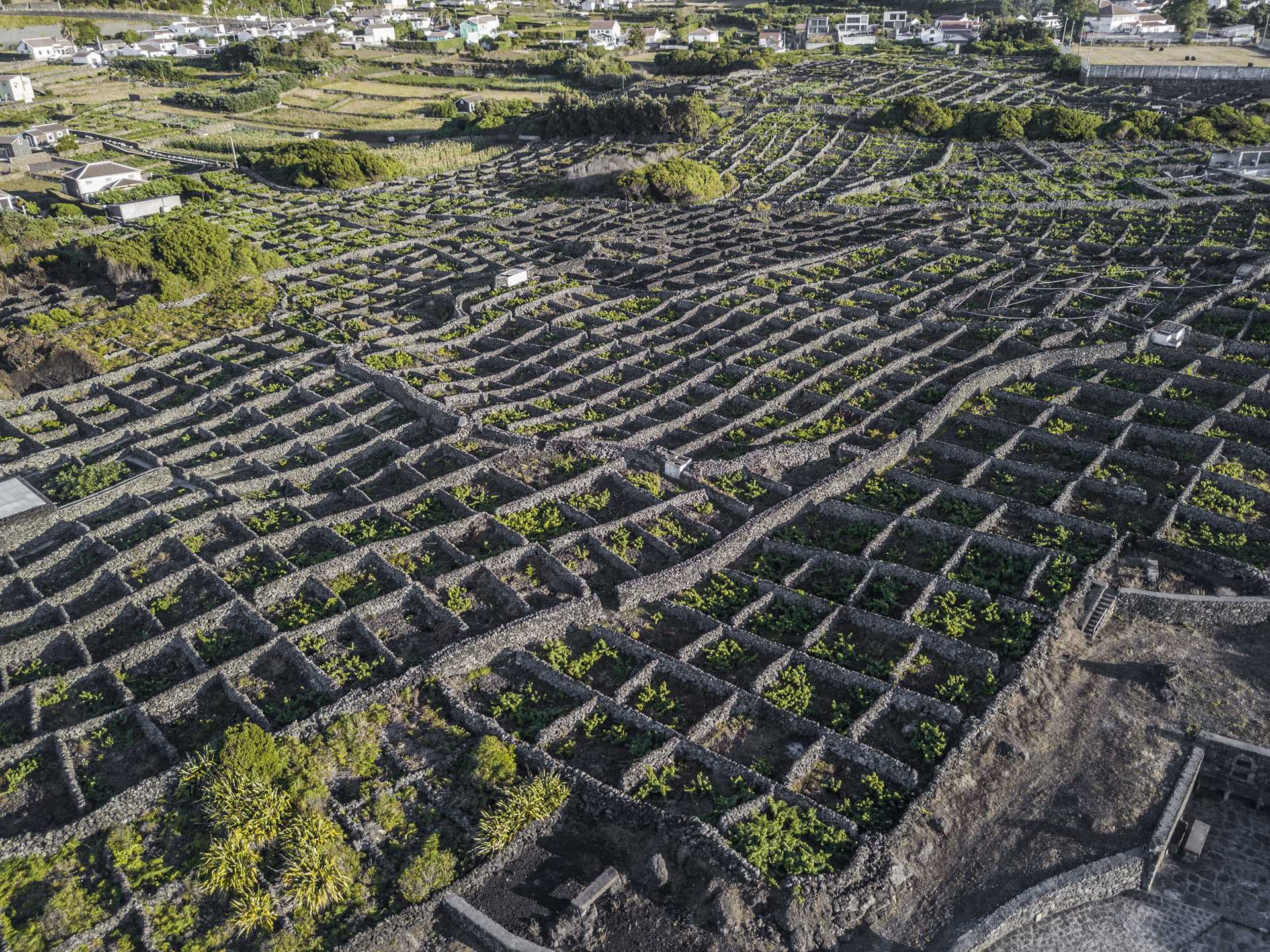
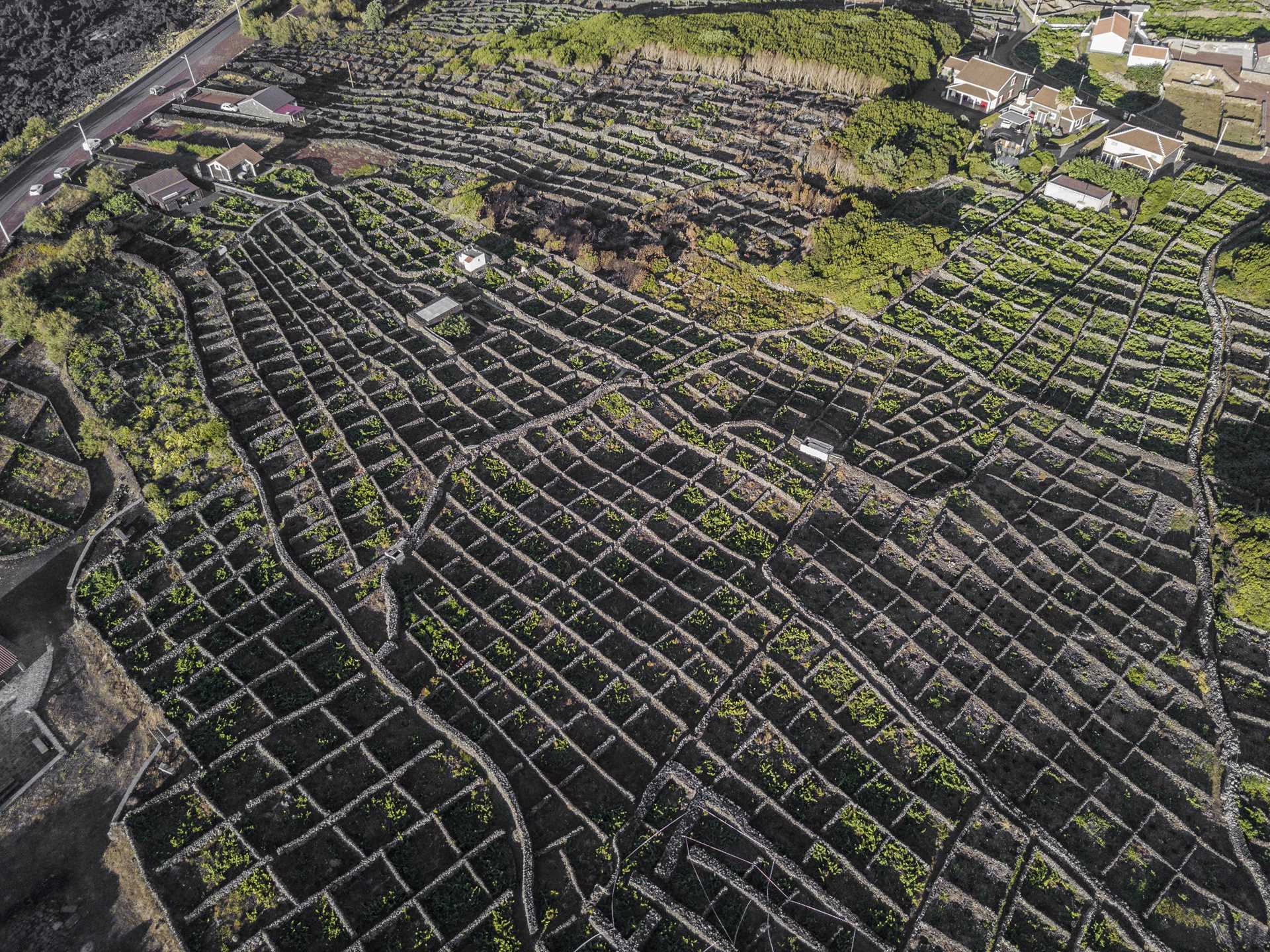
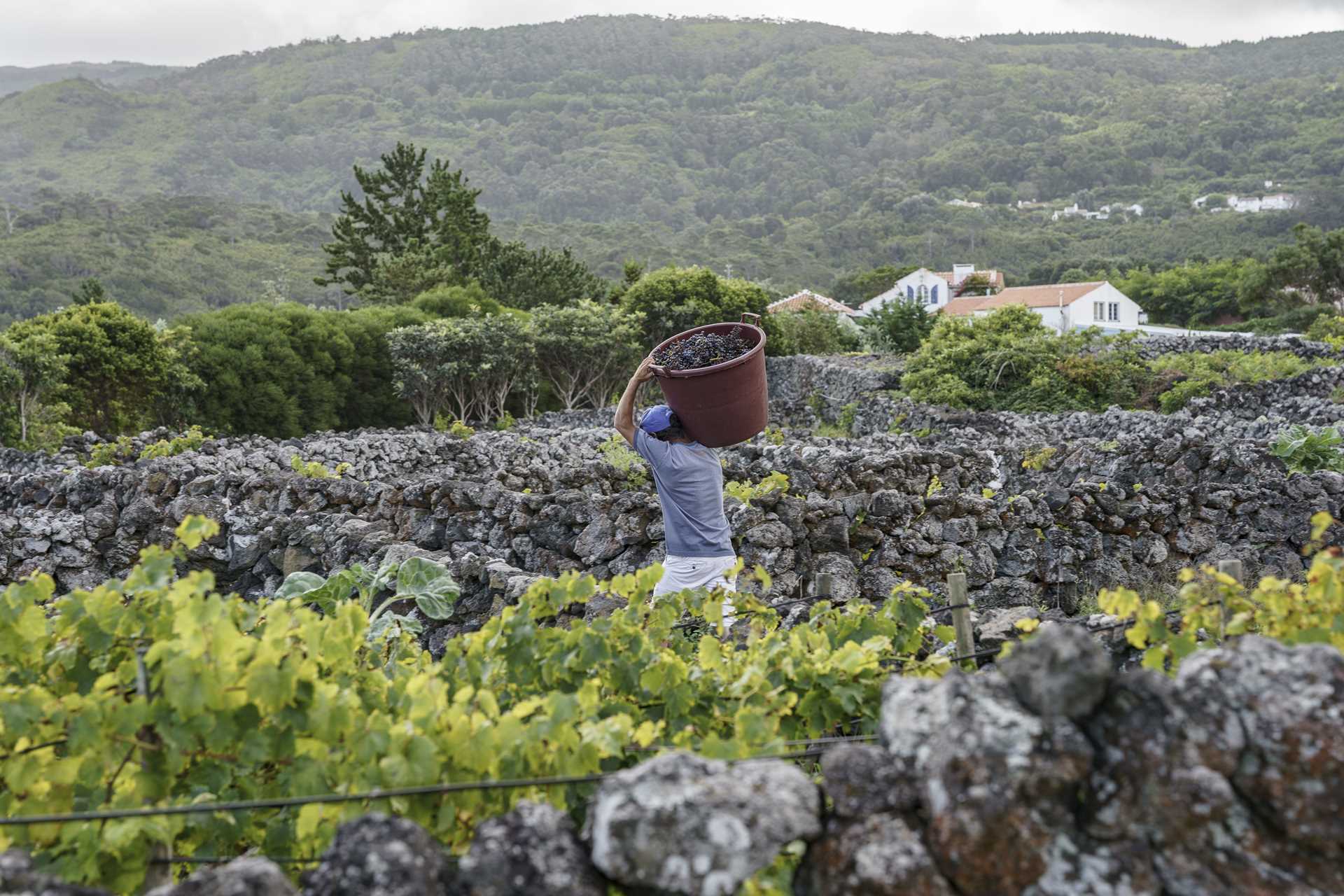
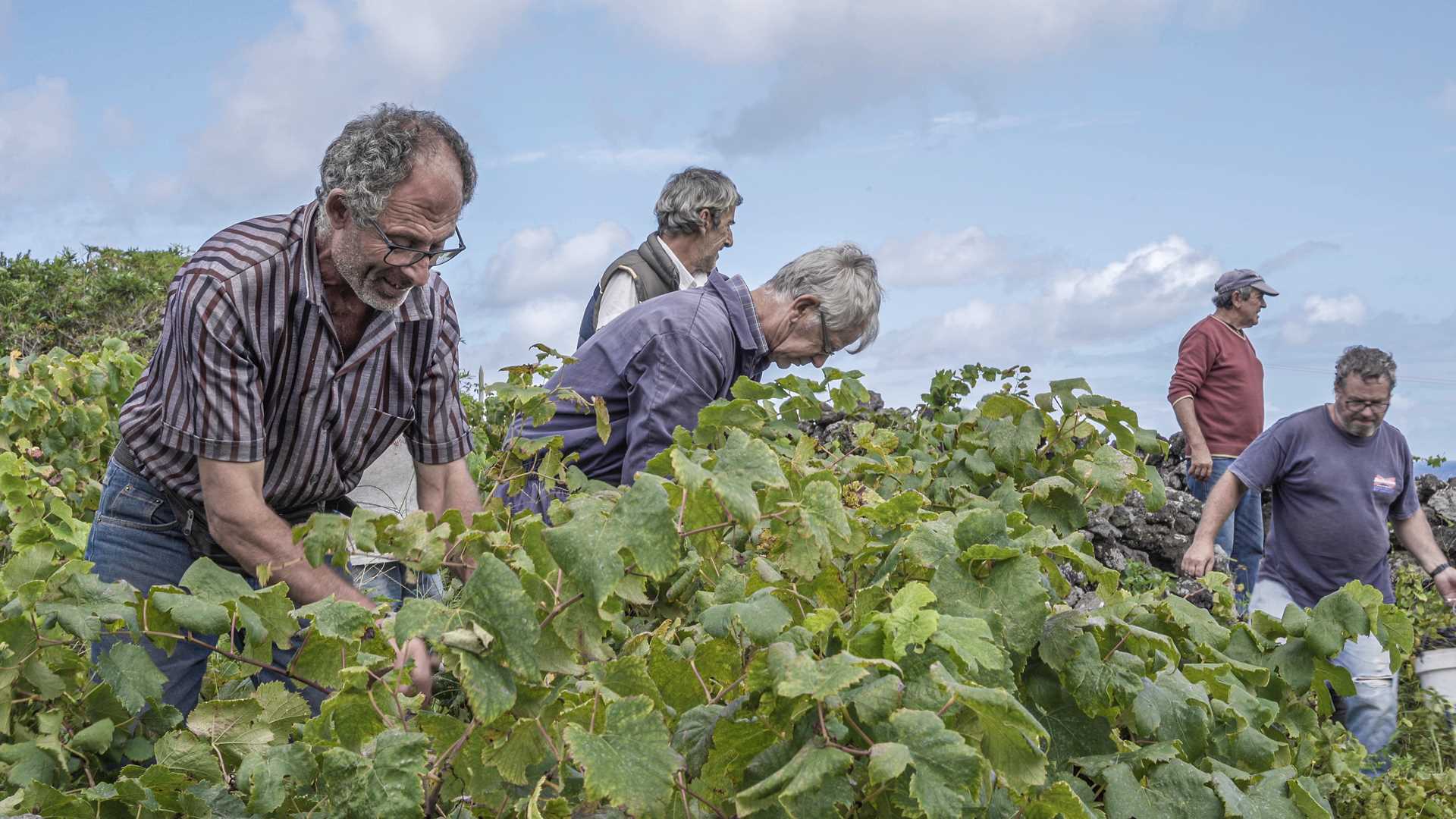
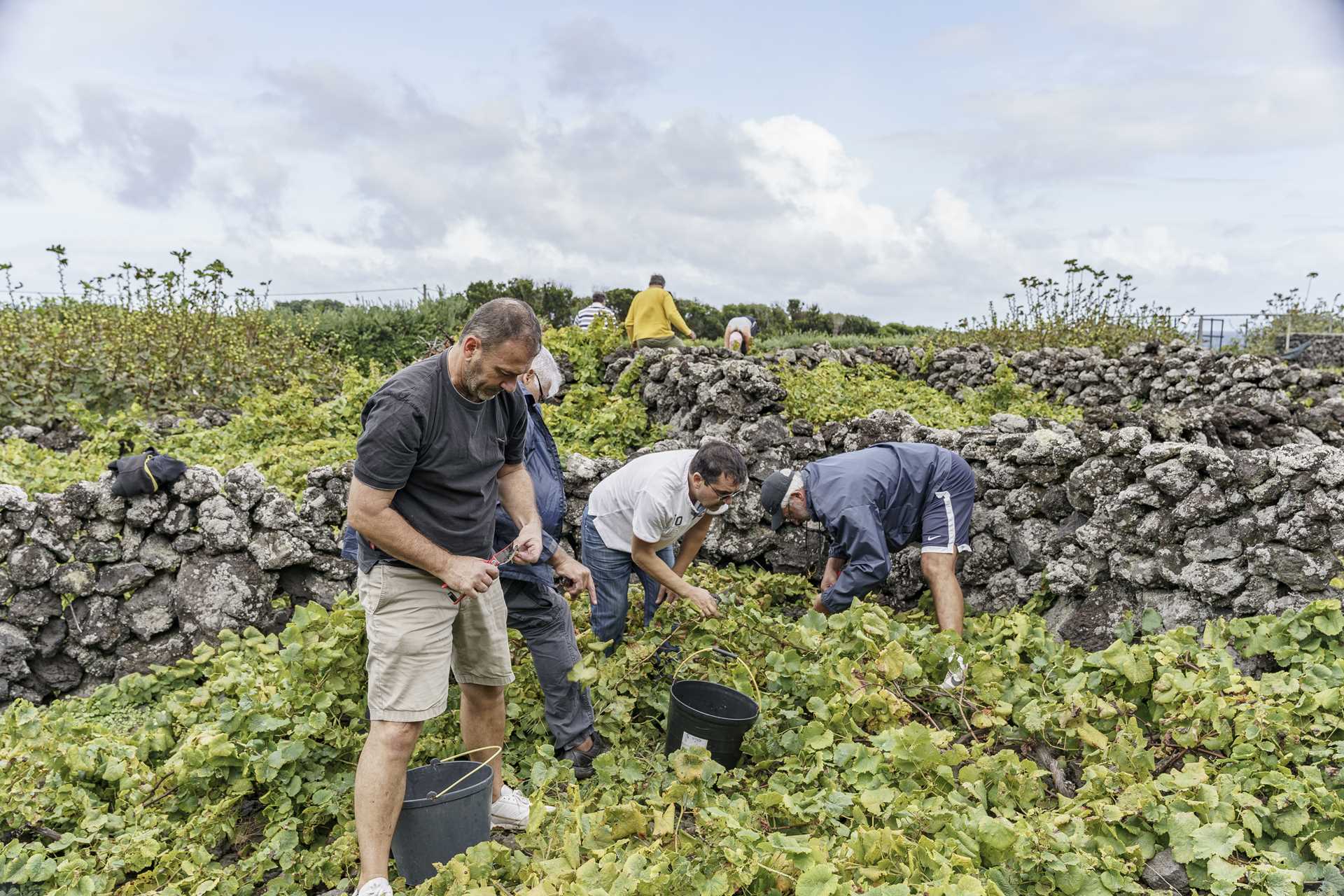
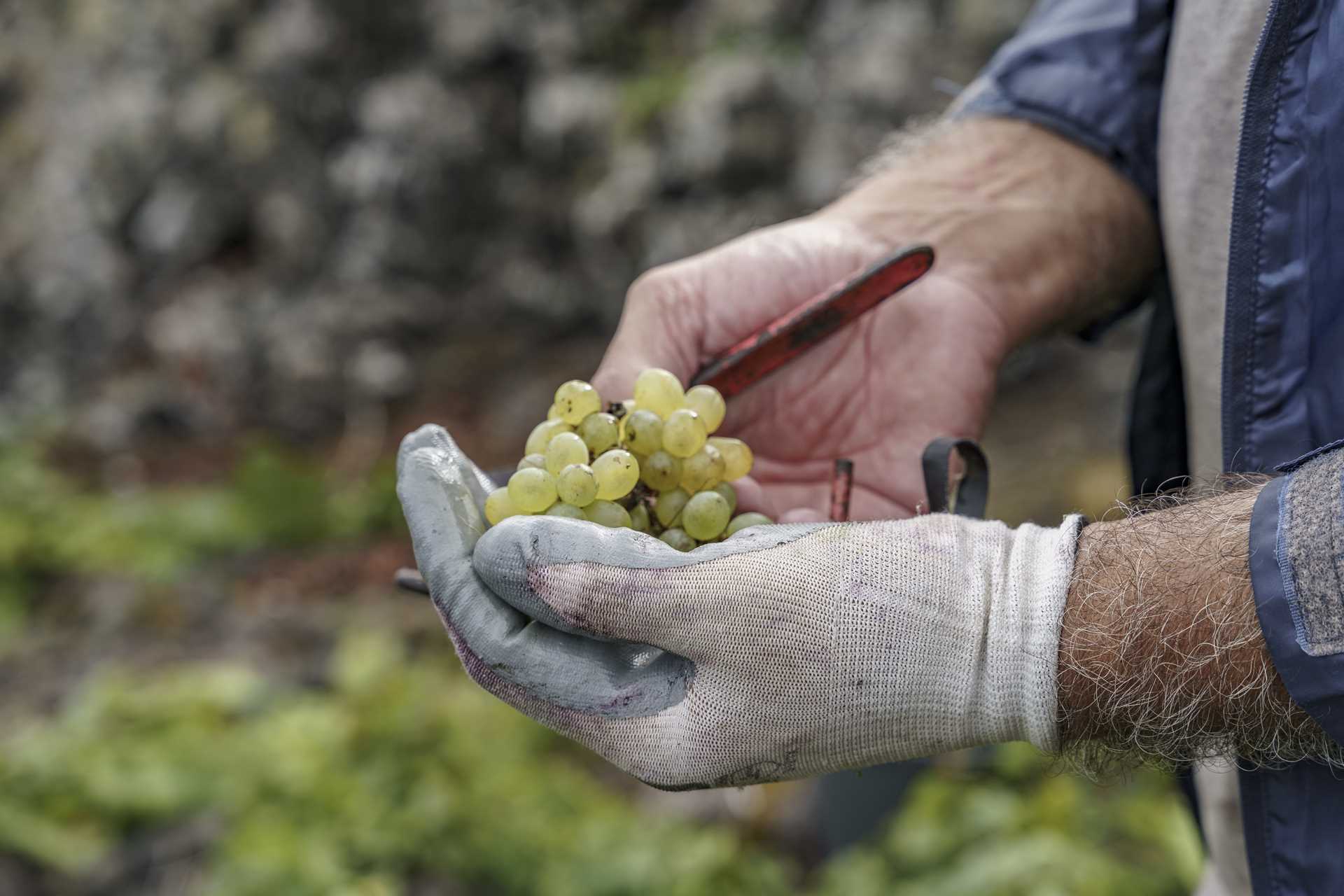
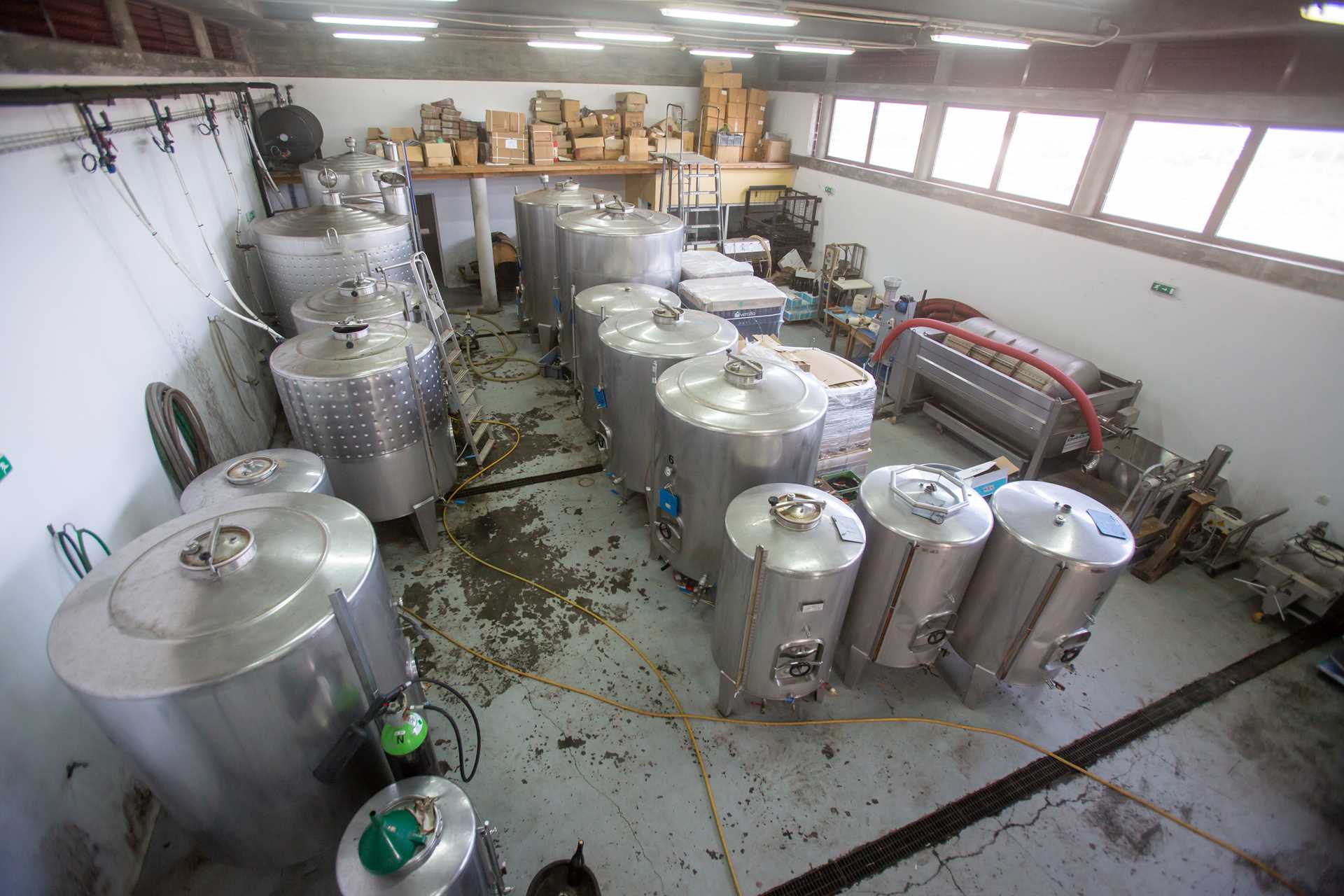
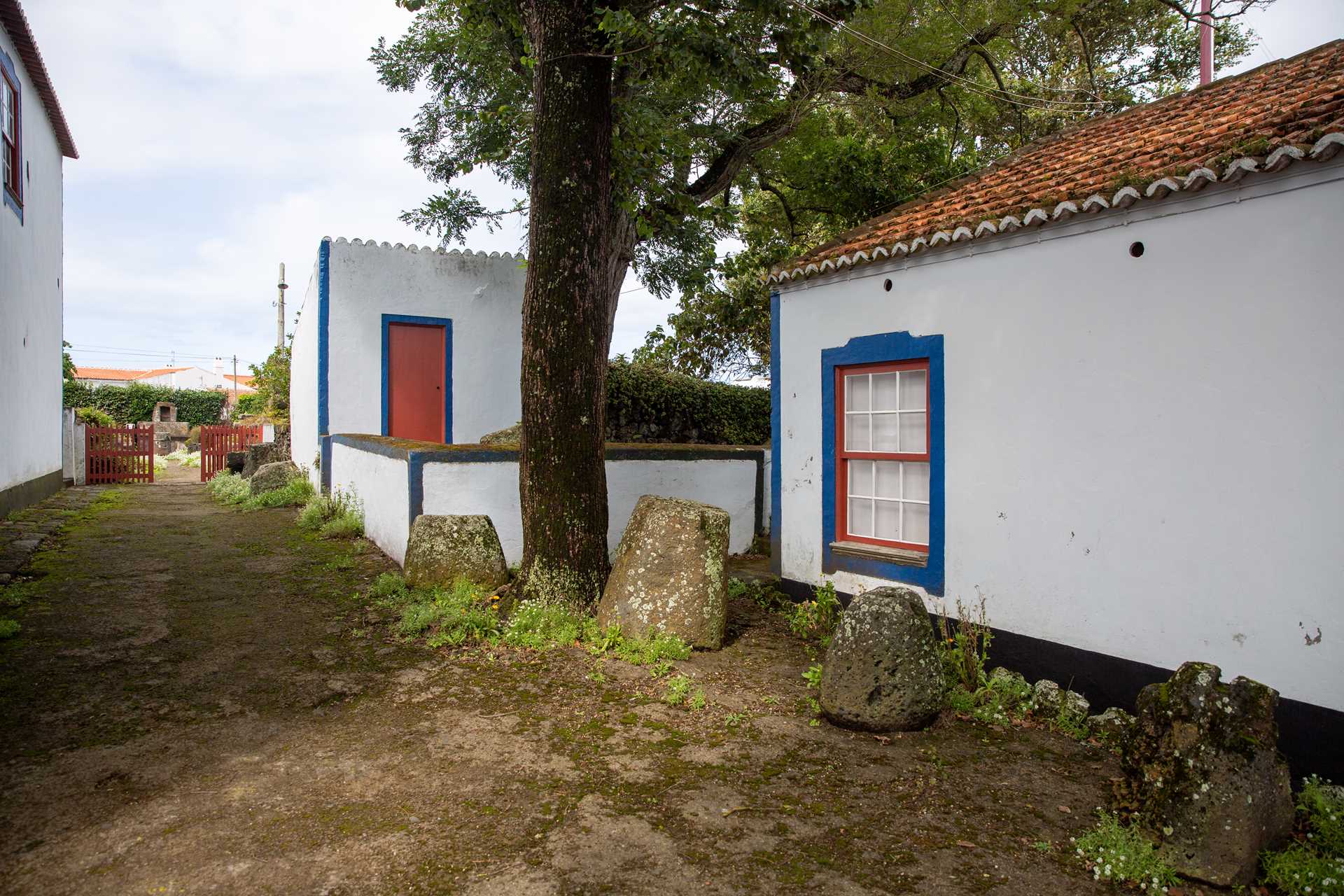
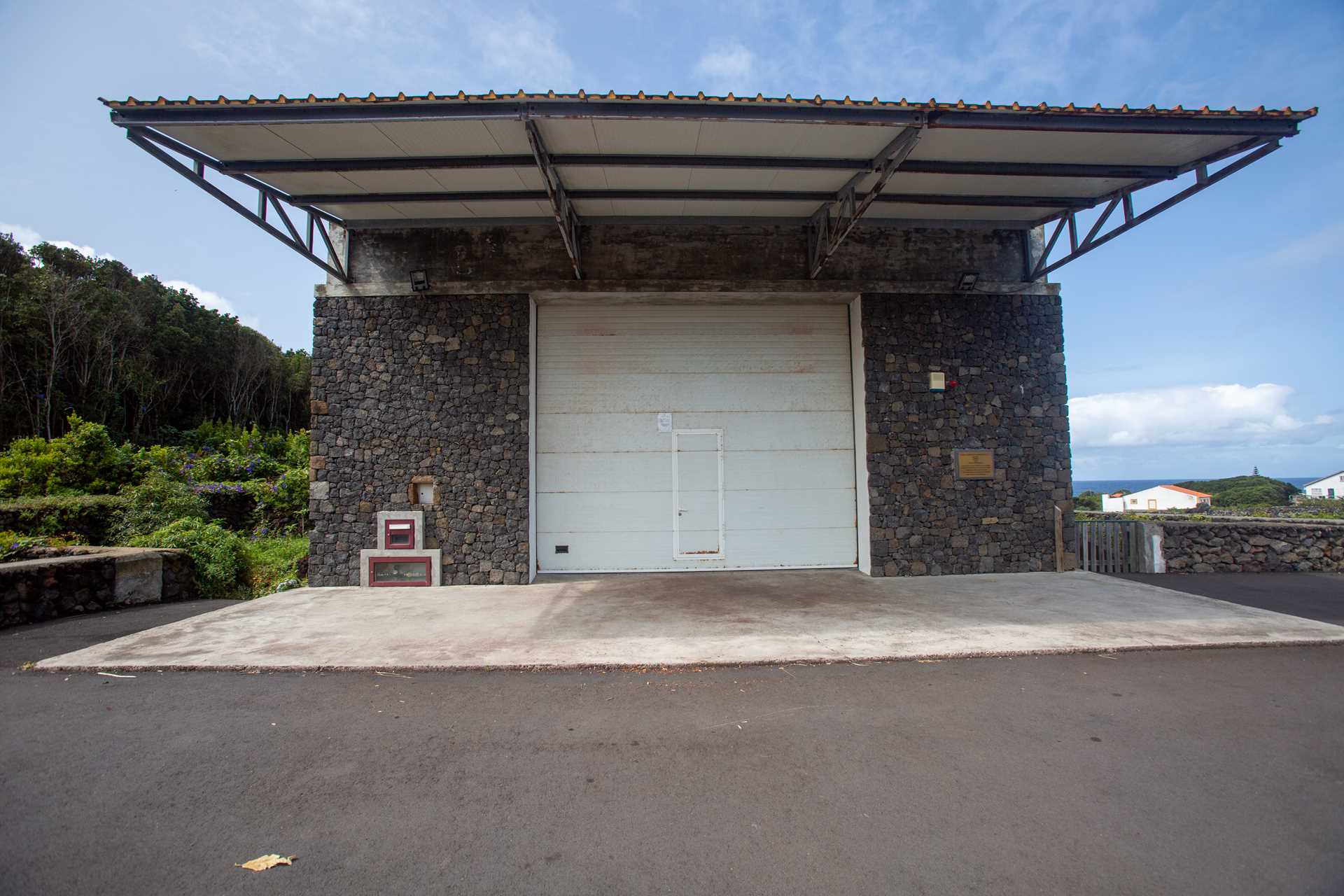
The date on which the first grapevine was introduced to the island of Terceira—known for its Verdelho dos Biscoitos wine—remains unknown. The volcanic soils, in areas known as biscoitos, lagedos, or lajidos, were used for vine planting, as they were unsuitable for growing cereals. Production on Terceira, as on the other islands, eventually suffered from the spread of various diseases and pests, and the Biscoitos Verdelho has practically disappeared.
After 20 years of neglect, Francisco Maria Brum was responsible for rehabilitating this production on the island: he committed himself to rebuilding the stone walls (currais), acquired abandoned vineyards, and started the first trials for cultivating vines in Fontinhas and Biscoitos.
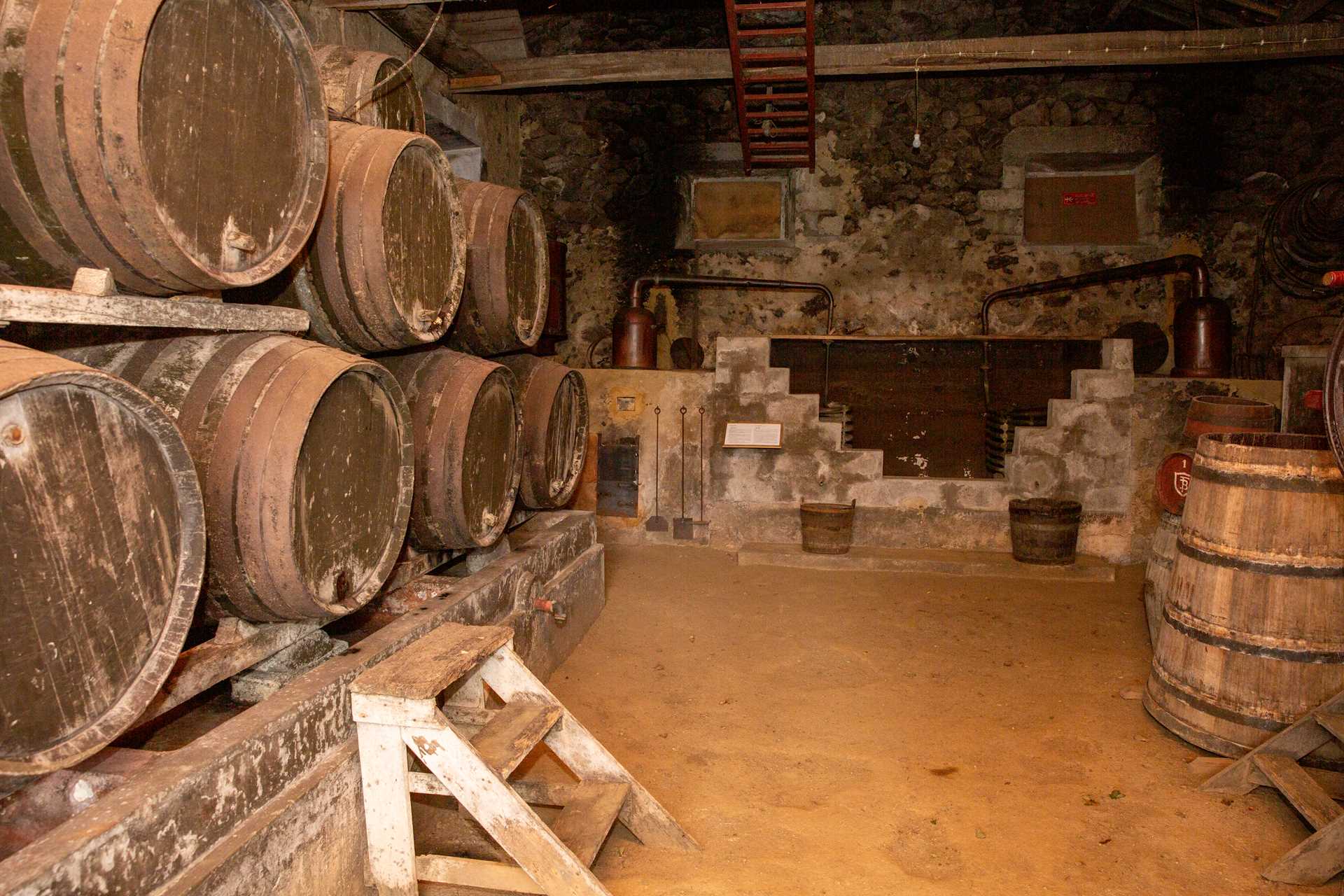
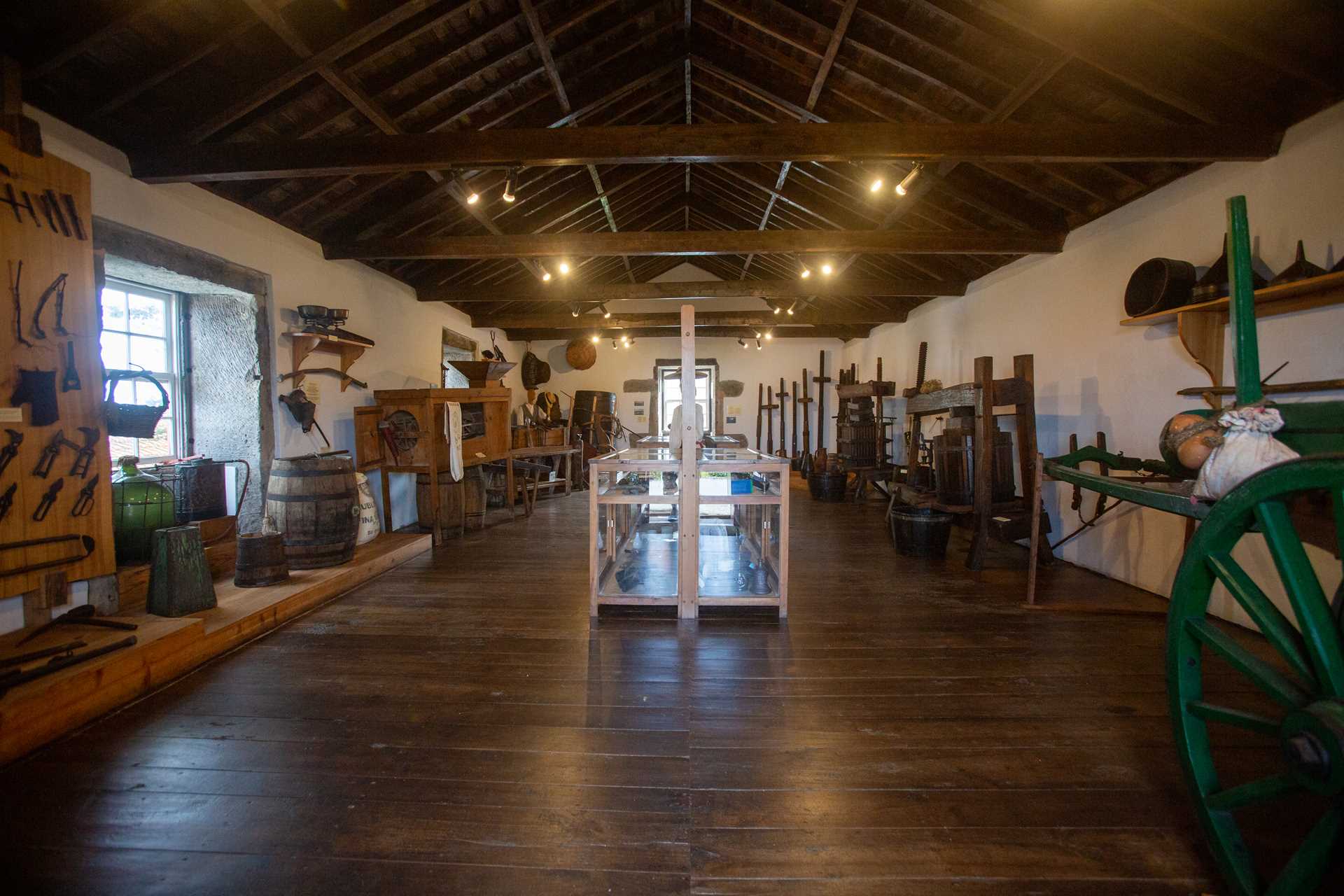
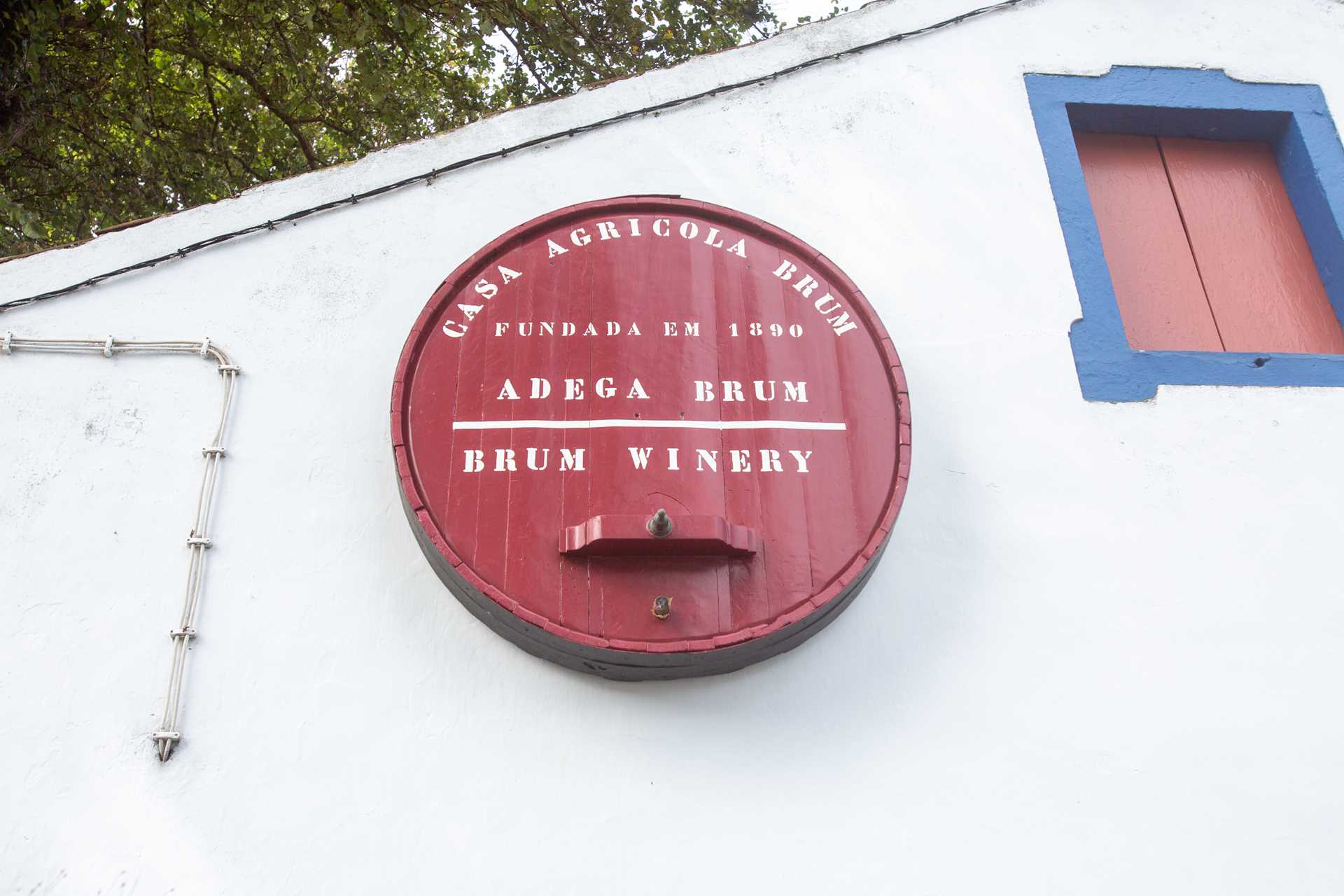
The first stop on this itinerary is the Wine Museum, established in 1990 to mark the centennial of Casa Agrícola Brum. Here, visitors can learn about the history of vineyards and wine on Terceira, from production to bottling, as well as the tradition of a family that has been dedicated to winemaking for five generations. Here, you can enjoy the wines from this century-old winery.
We’ll take a short stroll through the Biscoitos wine region to admire this lush landscape, shaped by the strength and determination of our Azorean ancestors, and distinguished by its great aesthetic and cultural value.
To finish off, we suggest tasting wines produced in the unique landscape of Biscoitos, choosing one of the following options:
• A visit to Adega Cooperativa dos Biscoitos, where most of the grapes from small local producers are turned into wine. This visit may include a short walk through the vineyards that dot the surrounding landscape and a tasting of wines produced in what is one of the most distinctive wine-growing regions in the Azores.
• A visit to Dimas Adega, owned by producer Dimas Pires, who started his business about 20 years ago and is dedicated to viticulture and the production and distribution of wines. There, you can taste his red and white wines and explore his vineyards, which stretch as far as the eye can see.
• A visit to Casas do Morgadio, a truly unique local lodging that combines the history of several generations dedicated to winemaking with the sophistication of its accommodations, designed to warmly welcome guests. Located 1.3 km from the Biscoitos beach area, Casas do Morgadio offers a tour of the property’s various areas: the vineyards, the farmlands, the distillery, and, of course, the lounge designed for socializing, as well as for tasting wines and regional products!
• A visit to Materramenta, a family-run project that combines a love of wine, the land, and the people of the Biscoitos region. Here, there are several experiences to choose from, including learning about the culture and history of the Biscoitos vineyards, taking a brief tour of the three demarcated regions of the Azores, visiting the winery and the laboratory, or tasting the wonderful Azorean wines.
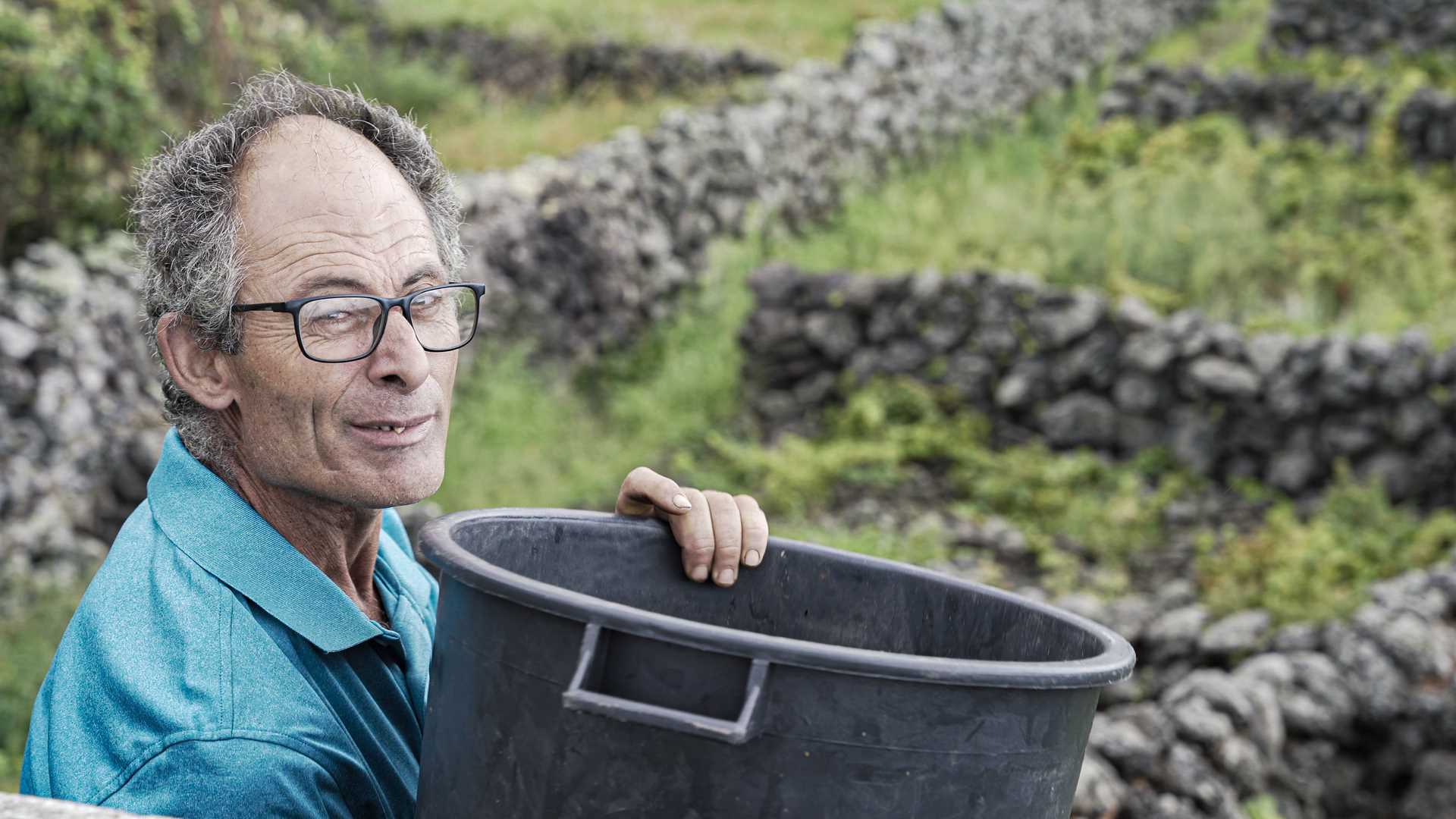
We also suggest that you look for Mr. José Pereira “dos Cestos”, one of the very few artisans dedicated to keeping alive the craft of basketry, once so prominent in this parish, due to the connection between the production of baskets and the harvest of grapes.