Whaling was crucial for the economy and culture of Faial Island, having influenced this territory to this day.
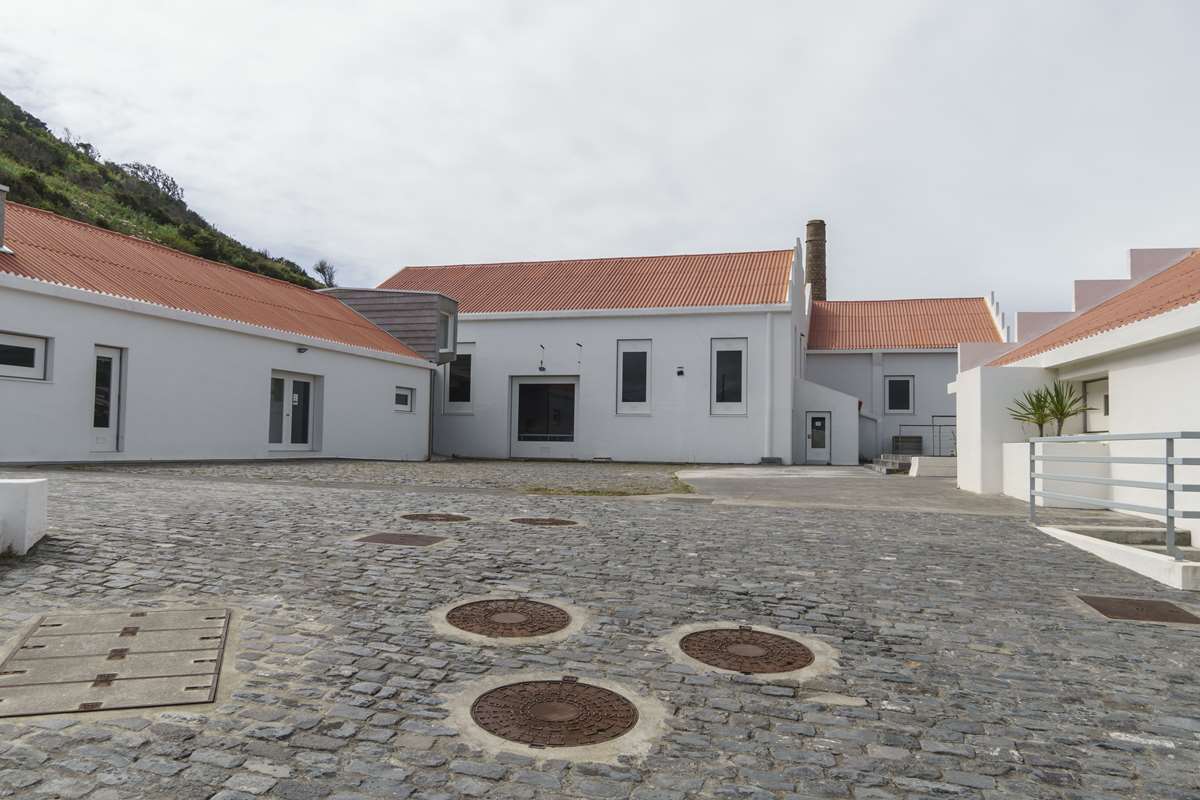
To learn about the history of whaling industry in Faial, we start our visit in the Porto Pim Whale Factory, located in Monte da Guia. It was built in the 40s of the 20th century and worked for 30 years, where 1940 sperm whales were transformed, and 44 thousand drums of oil were produced. Today, it is still possible to see all its original machinery.
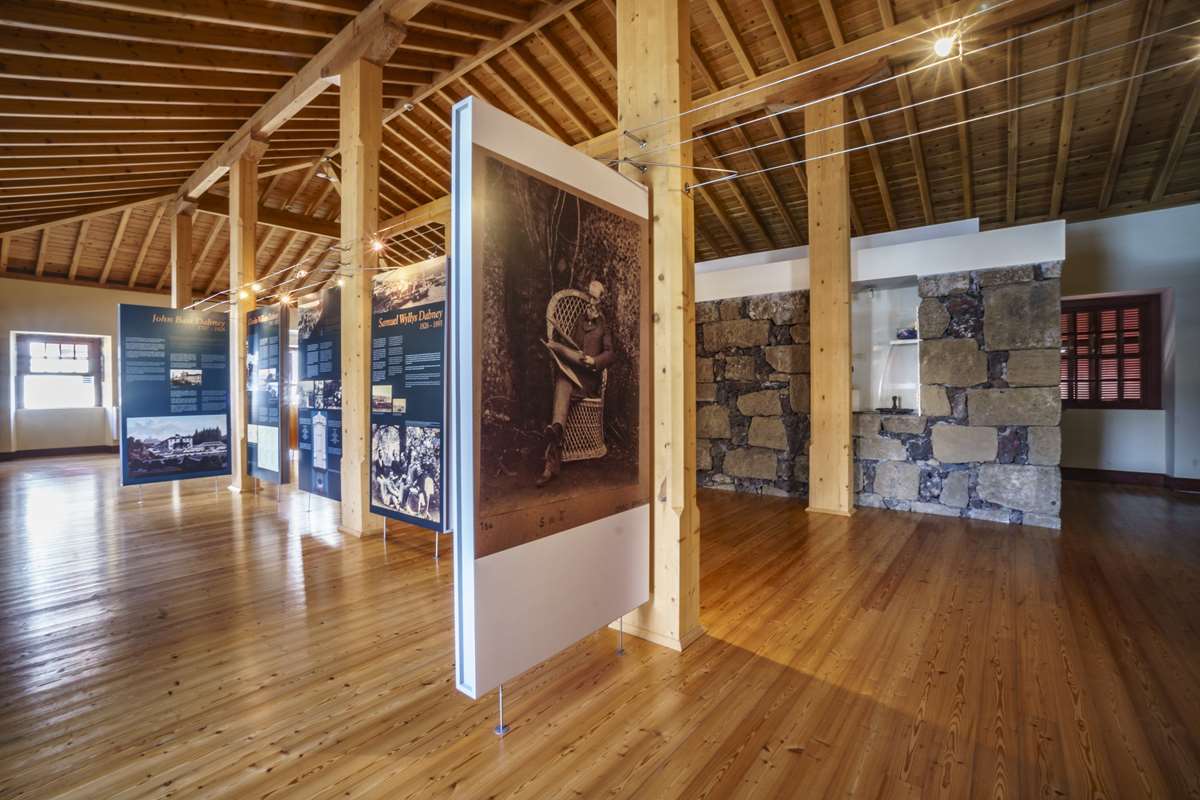
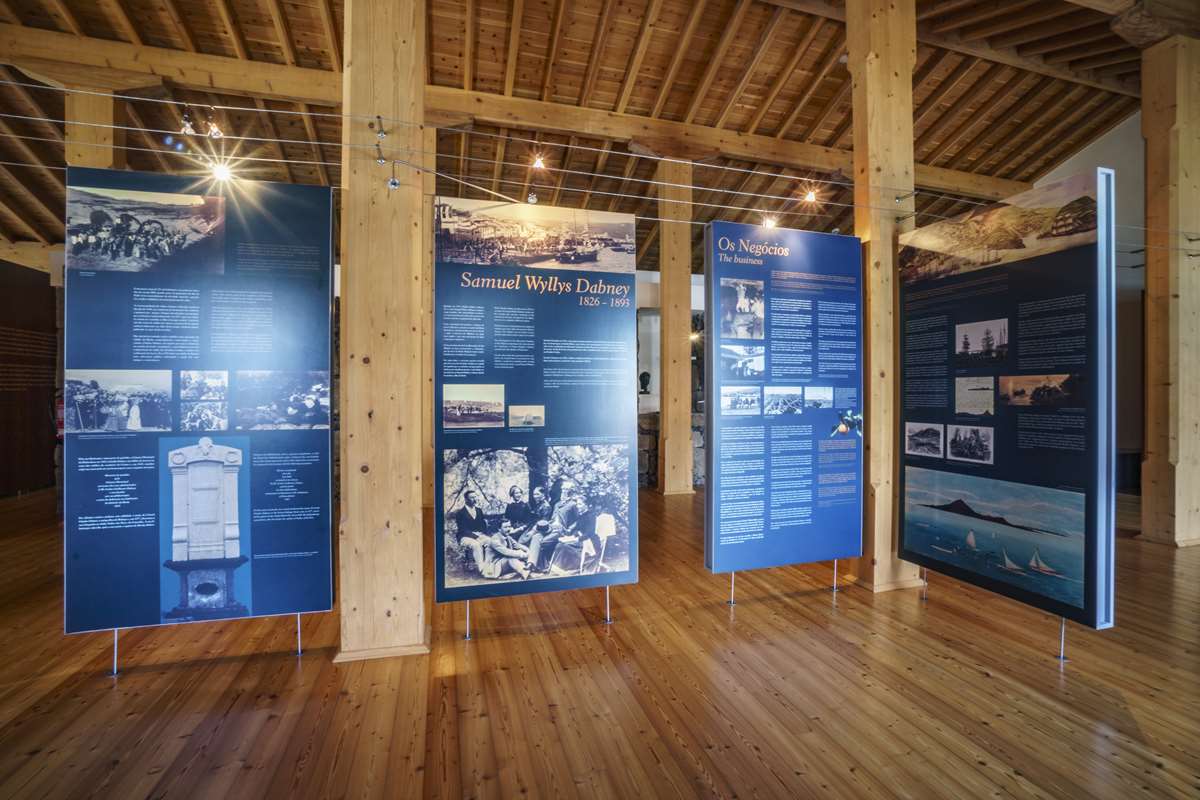
Next, we visited the Casa dos Dabney, also located in Monte da Guia, to learn about the family’s history and the role they played on the island. Originally from the United States, they specialized in maritime trade and helped boost the whaling industry.
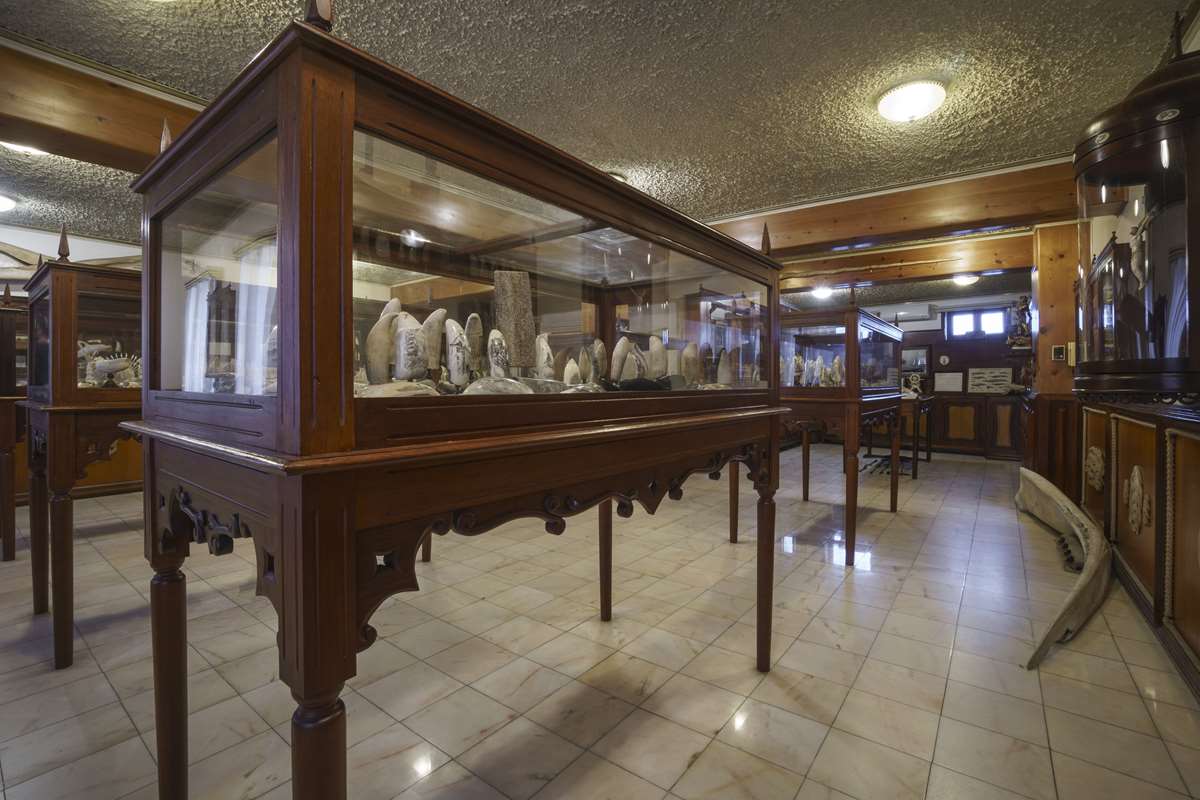
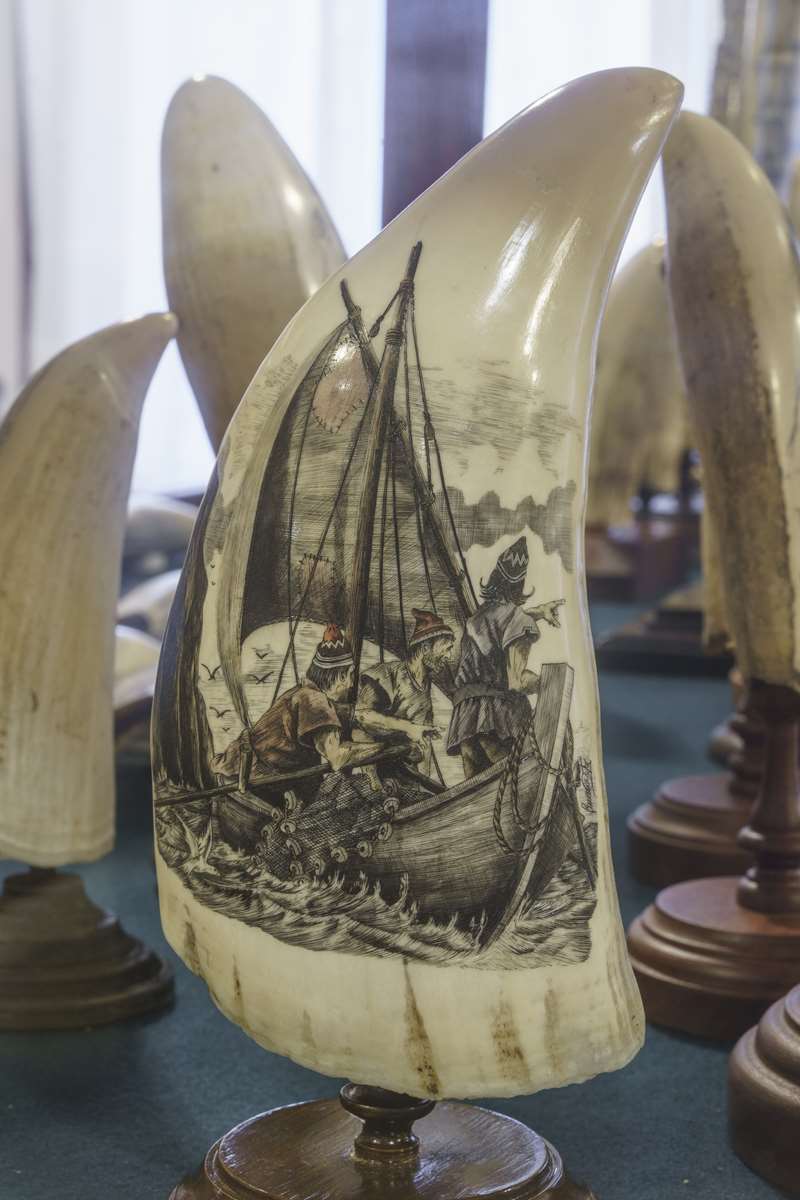
It’s time to discover scrimshaw, the folk art created by whalers: they carved and engraved sperm whale teeth with scenes depicting family life and the whale hunt—true portraits of the era that are now on display at the Scrimshaw Museum in Horta.
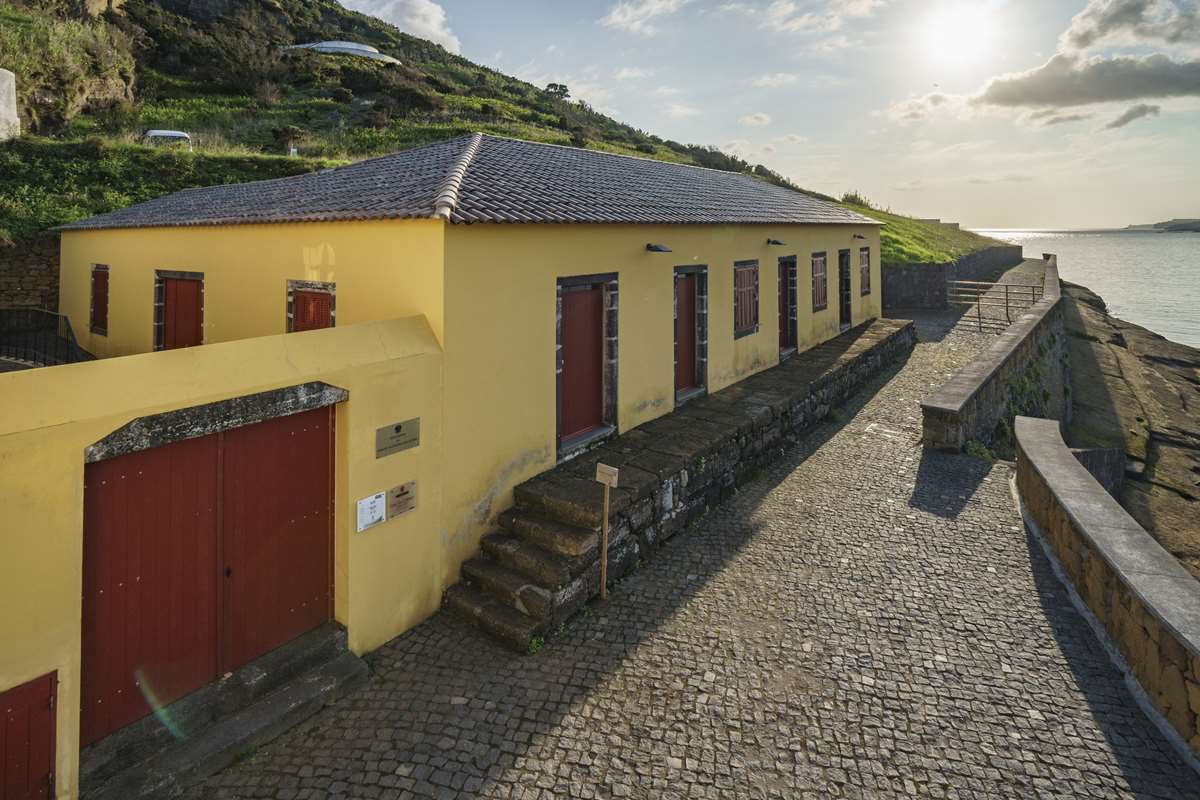
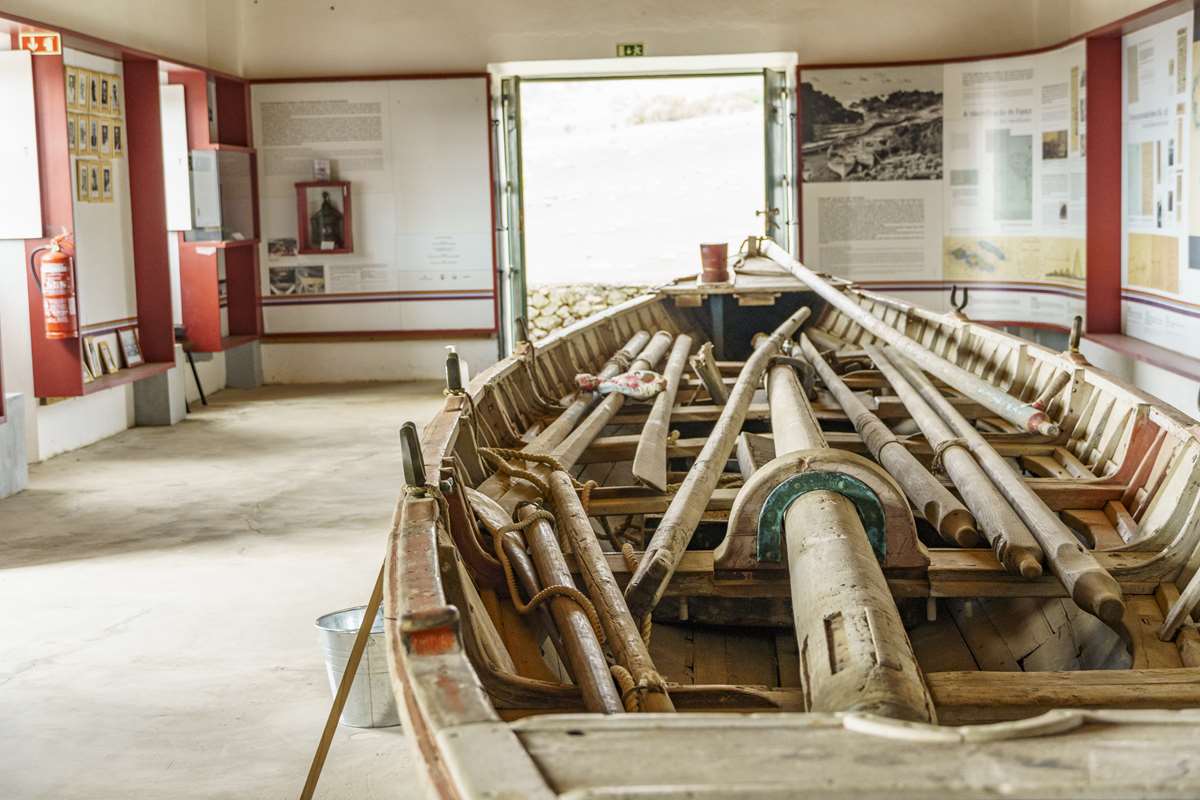
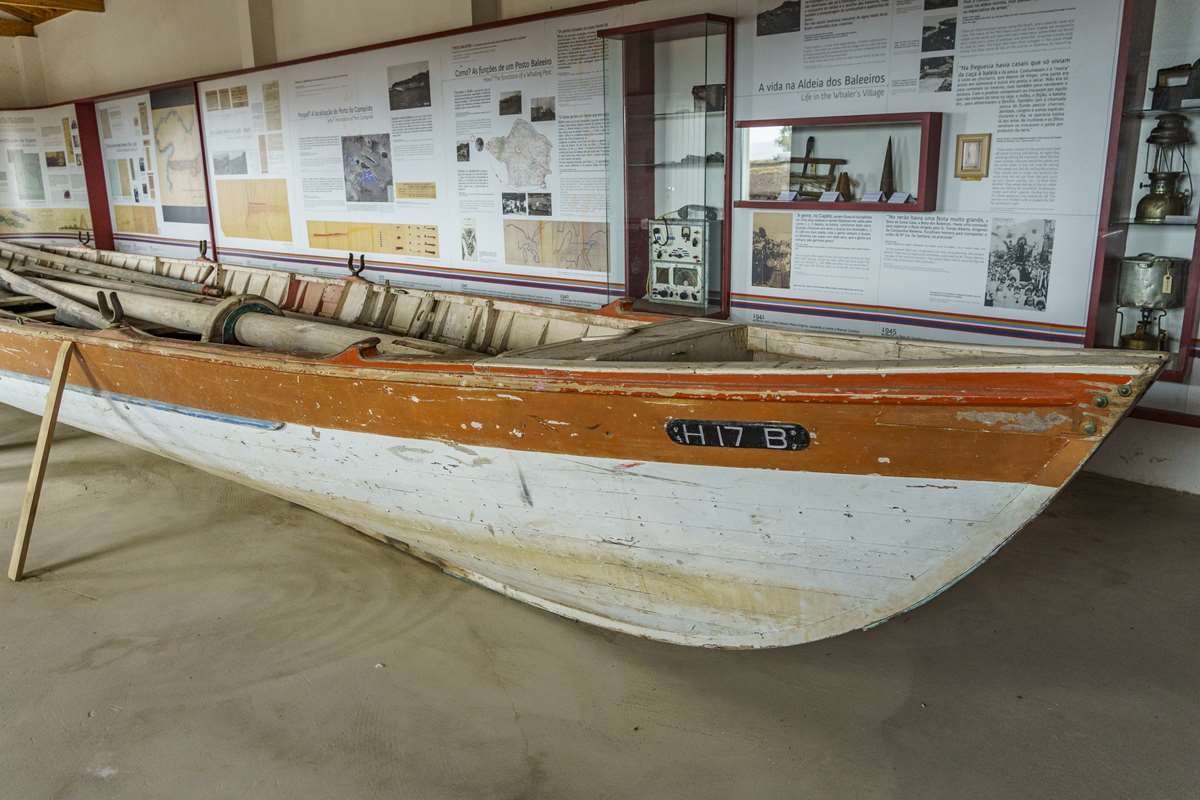
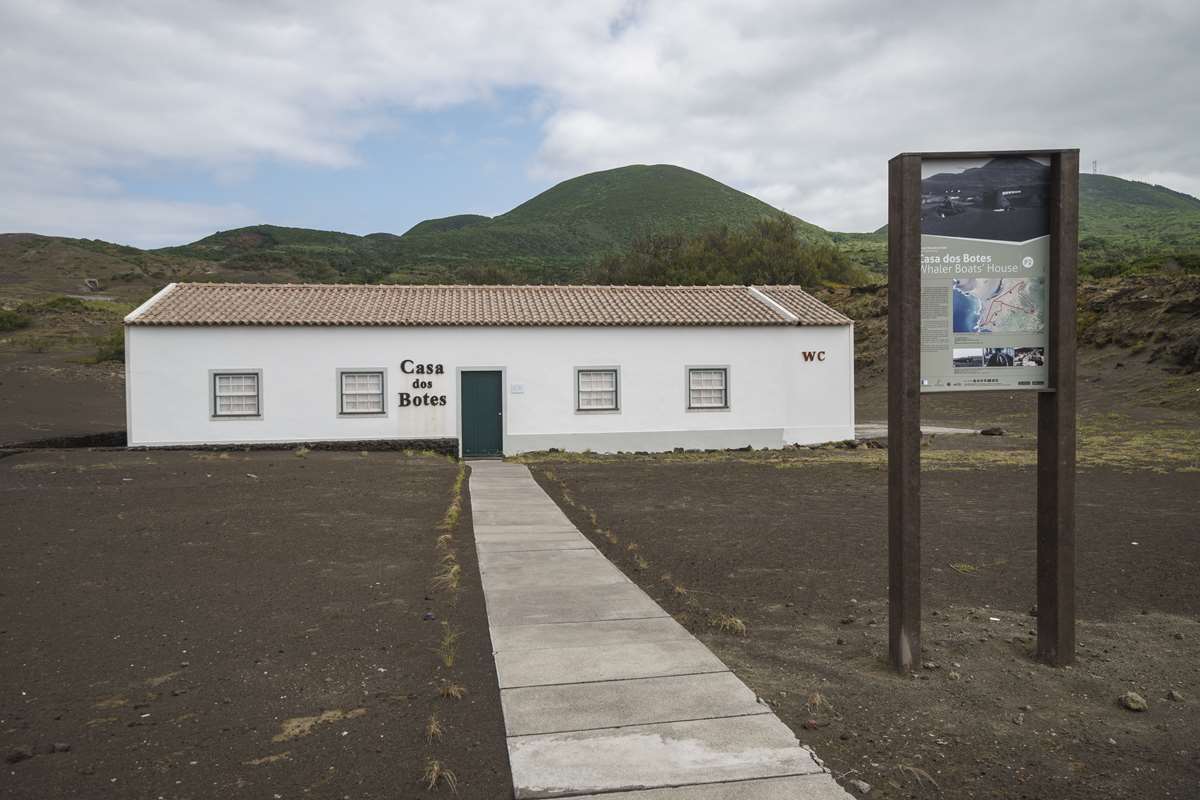
After lunch, we continued on to Porto Baleeiro do Comprido, in Capelo, which is believed to have been the largest and most productive whaling station from 1884 to 1957. We first climbed up to the Alto das Concheiras Lookout, a site used for whale watching that covered one of the areas where the most sperm whales were sighted in the entire archipelago. We’ll head down to the beaching ramp and the boat house, a site that today houses a whaling boat and features an exhibition that offers a close-up look at the atmosphere of those times.
We ended up near the ruins of the whalers' seasonal dwellings, which were used during the summer whaling season but were buried during the 1957 eruption of the Capelinhos Volcano